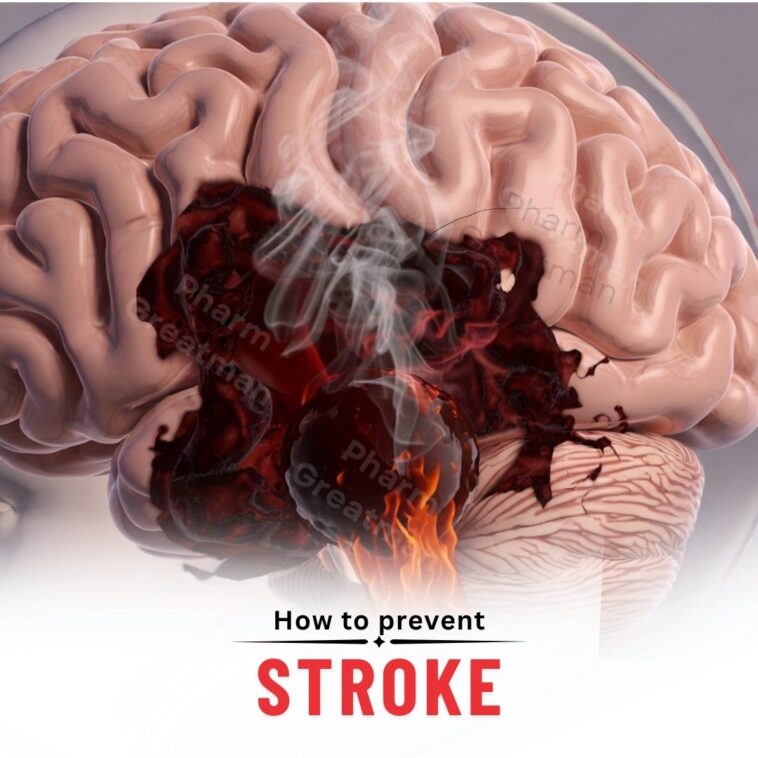
Medical experts have advised the public to adopt healthier lifestyles to reduce the risk of Stroke, warning that many stroke cases develop gradually over several years due to preventable health conditions and habits.
According to healthcare professionals, factors such as high blood pressure, diabetes, smoking, poor diet, stress, and physical inactivity significantly increase the likelihood of stroke.
Experts, however, note that consistent lifestyle adjustments can greatly lower the risk and support long-term brain and heart health.
1. Control blood pressure
Doctors identify High Blood Pressure as one of the leading causes of stroke because it weakens and damages blood vessels over time.
They recommend regular blood pressure checks, reducing salt intake, staying physically active, getting adequate sleep, and taking prescribed medications consistently where necessary.
2. Monitor cholesterol levels
Health specialists also warn that excess “bad” cholesterol may accumulate in blood vessels and reduce blood flow to the brain.
Experts advise diets rich in fibre, fruits, vegetables, nuts, and healthy fats to support healthier cholesterol levels and improve cardiovascular health.
3. Prioritise Quality Sleep
Poor sleep and untreated sleep disorders can place additional strain on the heart and increase blood pressure, doctors say.
They encourage maintaining regular sleep patterns and avoiding chronic exhaustion.
4. Maintain Healthy Body Weight
Medical professionals note that excess body fat, particularly around the abdomen, is linked to hypertension, diabetes, and heart disease — all of which are major stroke risk factors.
They stress that sustainable healthy habits are more effective than extreme dieting.
5. Know The Warning Signs
Experts describe stroke as a medical emergency requiring immediate attention. Common warning signs include sudden weakness on one side of the body, facial drooping, difficulty speaking, confusion, severe headache, loss of balance, or sudden vision problems.
They emphasise that rapid medical intervention can help save brain function and improve survival chances.
6. Manage Stress And Improve Diet
Chronic stress may negatively affect blood pressure, eating habits, and sleep quality, according to specialists. They recommend regular rest, physical activity, social support, and healthier routines.
Doctors also caution against excessive intake of processed foods, trans fats, sugar, and salt, which may gradually damage the cardiovascular system.
Instead, they encourage diets containing whole foods, vegetables, fruits, beans, fish, and adequate water intake.
Avoid smoking and excessive alcohol
Health professionals further warn that smoking damages blood vessels, thickens the blood, and increases clot formation, while excessive alcohol use may raise blood pressure and trigger abnormal heart rhythms.
Experts stress that protecting heart and blood vessel health through daily habits remains one of the most effective ways to reduce stroke risk and improve overall well-being.Read more. .
Get Breaking News Before Everyone Else — Join Our Whatsapp Channel Now!!!
𝗙𝗼𝗹𝗹𝗼𝘄 𝗢𝘂𝗿 𝗪𝗵𝗮𝘁𝘀𝗔𝗽𝗽 𝗖𝗵𝗮𝗻𝗻𝗲𝗹 𝗧𝗼 𝗚𝗲𝘁 𝗟𝗮𝘁𝗲𝘀𝘁 𝗡𝗲𝘄𝘀 𝗔𝘀 𝗜𝘁'𝘀 𝗗𝗿𝗼𝗽!