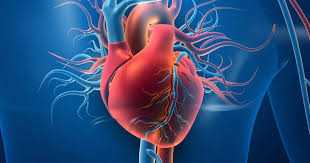
“Heart disease,” or cardiovascular disease (CVD), is an umbrella term for conditions affecting the heart and blood vessels.
Sometimes people are born with heart disease (known as congenital heart disease), while in others, it develops over time, as in coronary artery disease (CAD).
CVD is a leading cause of death in the United States, and coronary artery disease is estimated to affect 18.2 million American adults. In 2020, CVD accounted for 697,000—or 1 in 5–deaths.
It is important to know the early signs and symptoms of heart disease and how it can be prevented and treated.
This article will explain the types of heart disease, signs and symptoms, treatment options, and best practices for preventing heart disease.
Types of Heart Disease
Heart disease refers to several distinct heart and blood (cardiovascular) conditions. Types of CVD include the following:
1. Congenital heart disease occurs when people are born with defects in their heart structure.
2. Coronary heart disease (coronary artery disease) is the most common type of heart disease; it’s characterized by a buildup of plaque and hardening of artery walls (atherosclerosis), which disrupts blood flow.Get The Full, Articles. .
𝗙𝗼𝗹𝗹𝗼𝘄 𝗢𝘂𝗿 𝗪𝗵𝗮𝘁𝘀𝗔𝗽𝗽 𝗖𝗵𝗮𝗻𝗻𝗲𝗹 𝗧𝗼 𝗚𝗲𝘁 𝗟𝗮𝘁𝗲𝘀𝘁 𝗡𝗲𝘄𝘀 𝗔𝘀 𝗜𝘁'𝘀 𝗗𝗿𝗼𝗽!