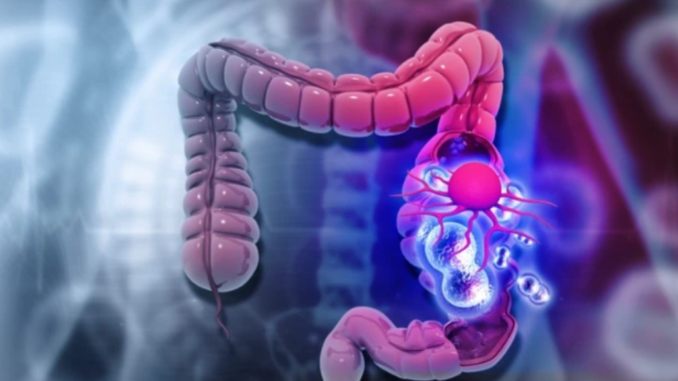
Busy schedules and familiar discomforts make small symptoms feel unimportant, even when they repeat.
The sections ahead explore early signs of colorectal cancer you should not ignore, helping everyday changes stand out through early detection.+See more details.
Bowel Habit Changes
Most people know their usual bathroom rhythm, even if it varies slightly day to day within the large intestine. Trouble starts when that rhythm shifts and refuses to settle back.
Frequent bathroom trips or long-term difficulty going can signal irritation or bowel obstruction inside the colon.
Some notice a constant urge that leads nowhere, while others finish but still feel incomplete. These sensations rarely feel alarming on their own, which is why they often get ignored even when linked to risk factors.
Persistent bowel habit changes sit among the most common early signs of colorectal cancer, especially when diet changes bring no relief.
Ongoing bowel habit changes also often prompt doctors to suggest a colonoscopy to check for polyps or colon cancer. Evaluations for colorectal tumors Singapore and other international clinics provide often start with this test.
CT scans then help assess spread, while MRI may clarify depth when symptoms suggest rectal involvement.
Stool shape tends to stay consistent for long stretches of life. When it turns thin or flat, something may block its path, causing blood in the stool.
Growths inside the colon can narrow the space long before pain appears.
Many people blame dehydration or fiber intake at first. When shape changes repeat without explanation, concern becomes reasonable.
Doctors often consider these shifts meaningful when reviewing early signs of colorectal cancer alongside stool tests.
Subtle Rectal Bleeding
Bleeding does not always look dramatic or alarming. It may show up as faint streaks, darker stool, or light residue after wiping, sometimes appearing as blood in your stool.
Because the bleeding feels painless, people often dismiss it quickly as minor rectal bleeding.
Hemorrhoids feel like an easy explanation, especially for younger adults. Still, bleeding that returns again and again deserves attention. Among early signs of colorectal cancer, unexplained bleeding remains one of the most overlooked.
Ongoing Abdominal Discomfort
Abdominal discomfort linked to colorectal cancer rarely arrives as sharp pain. Instead, pressure, cramping, or fullness may linger for months and resemble irritable bowel syndrome symptoms. The sensation often stays low in the abdomen and feels unrelated to meals.
This type of discomfort can fade into the background of daily life. When it persists without a clear cause, it should not feel normal. Many early signs of colorectal cancer start as irritation rather than pain, which makes awareness essential.
Unexplained Fatigue
Fatigue often creeps in slowly and feels easy to excuse. Energy drops despite decent sleep, and routine tasks feel heavier than usual. Stress or busy schedules often take the blame despite possible internal bleeding.
Slow internal blood loss can quietly drain iron levels. In many cases, fatigue appears before visible bleeding or pain.
Doctors frequently connect unexplained exhaustion with early signs of colorectal cancer after blood tests reveal iron deficiency anemia.
Unexpected Weight Loss
Weight loss sometimes feels like a welcome surprise. When pounds drop without changes in diet or activity, curiosity should replace celebration. Appetite often remains normal, which makes the change confusing.
Digestive disruptions can affect how nutrients get absorbed. Weight loss tied to early signs of colorectal cancer tends to feel gradual rather than sudden. Any unexplained drop that continues deserves a closer look.
Anemia Without Cause
Anemia sometimes appears during routine checkups without an obvious explanation. Blood tests reveal low iron, yet no clear source explains the loss.
Symptoms may already include dizziness or shortness of breath. These symptoms can help guide decisions about urgent care over the ER.
This type of anemia raises concern, especially for men and postmenopausal women. Doctors often investigate digestive causes when iron levels fall unexpectedly.
Many early signs of colorectal cancer surface first through blood work rather than discomfort.
Changes in Gas Patterns
Gas patterns usually follow predictable habits. New bloating or pressure that feels heavier or harder to relieve can suggest bigger changes. The sensation may sit lower than usual.
Blockages or inflammation can alter how gas moves through the colon. On its own, gas rarely signals danger.
When paired with other early signs of colorectal cancer, it adds valuable context for deciding on colorectal cancer screenings.
Conclusion
Duration matters more than intensity when symptoms appear. Changes that last longer than a few weeks deserve attention, even when they feel mild. Waiting rarely makes patterns clearer.
Age no longer offers reassurance, since colorectal cancer affects younger adults more often now. Recognizing the early signs opens the door to simpler care and better outcomes.
Paying attention early often changes the entire story.+Read full details. .
Get Breaking News Before Everyone Else — Join Our Whatsapp Channel Now!!!
𝗙𝗼𝗹𝗹𝗼𝘄 𝗢𝘂𝗿 𝗪𝗵𝗮𝘁𝘀𝗔𝗽𝗽 𝗖𝗵𝗮𝗻𝗻𝗲𝗹 𝗧𝗼 𝗚𝗲𝘁 𝗟𝗮𝘁𝗲𝘀𝘁 𝗡𝗲𝘄𝘀 𝗔𝘀 𝗜𝘁'𝘀 𝗗𝗿𝗼𝗽!