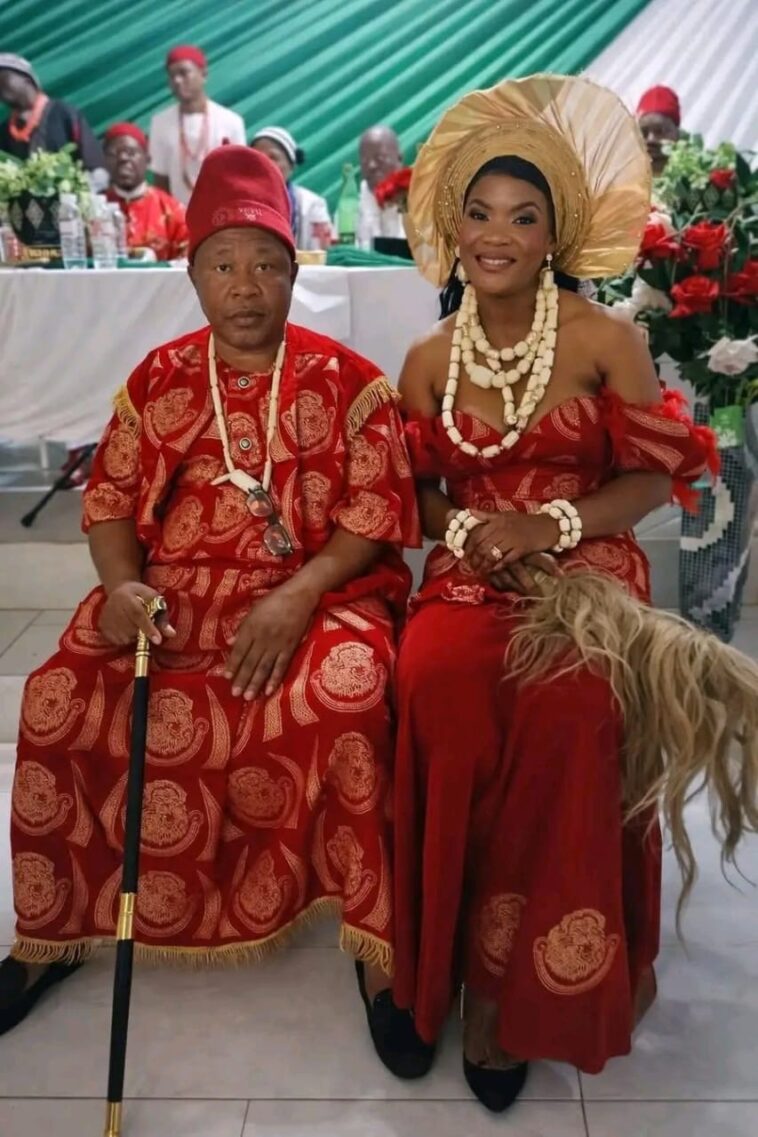
A storm is brewing in the Eastern Cape after traditional leaders erupted in anger over the alleged coronation of a Nigerian “king” in East London, warning that the incident could inflame tensions and undermine South Africa’s traditional leadership system.
The Eastern Cape House of Traditional and Khoi-San Leaders has issued a strong condemnation following reports that Solomon Ogbonna Eziko was crowned as a leader of the Igbo community, known as Igwe Ndigbo, during a weekend event in kuGompo.
The area falls under the authority of King Jonguxolo Vululwandle Sandile of the amaRharhabe Kingdom, making the move highly controversial.
Traditional leaders have described the alleged coronation as a direct challenge to recognised authority and a violation of both customary law and national legislation.
In a strongly worded statement, the House said the act shows a troubling disregard for South Africa’s constitutional framework governing traditional leadership.
“This is a flagrant violation of established customary protocols and a direct affront to the institution of traditional leadership,” the House said.
The leaders stressed that no individual or group has the authority to establish a kingship structure outside the legal framework set out in the Traditional and Khoi-San Leadership Act.
They warned that allowing such actions to go unchecked could erode the rule of law and create divisions within communities.
The House also raised concerns about the potential consequences of the incident, saying it could trigger avoidable tensions if not urgently addressed.
“Traditional leaders have consistently stood against xenophobia and division. However, actions of this nature are irresponsible and may provoke conflict,” the statement said.
The House is now demanding an immediate public apology from all those involved and has called for the complete dissolution of what it describes as an illegitimate and self styled kingship.
Authorities are being urged to act swiftly.
The House has called on law enforcement agencies to launch an urgent investigation and ensure that those responsible are held accountable in line with South African law.
It has also urged the national government to take preventative steps, including reviewing legal and immigration compliance linked to the matter.
The controversy has sparked wider debate about cultural recognition, community leadership and the limits of authority within South Africa’s diverse society.
As pressure mounts, all eyes are now on government and law enforcement to determine how this sensitive and potentially explosive situation will be resolved.
Get Breaking News Before Everyone Else — Join Our Whatsapp Channel Now!!!
𝗙𝗼𝗹𝗹𝗼𝘄 𝗢𝘂𝗿 𝗪𝗵𝗮𝘁𝘀𝗔𝗽𝗽 𝗖𝗵𝗮𝗻𝗻𝗲𝗹 𝗧𝗼 𝗚𝗲𝘁 𝗟𝗮𝘁𝗲𝘀𝘁 𝗡𝗲𝘄𝘀 𝗔𝘀 𝗜𝘁'𝘀 𝗗𝗿𝗼𝗽!