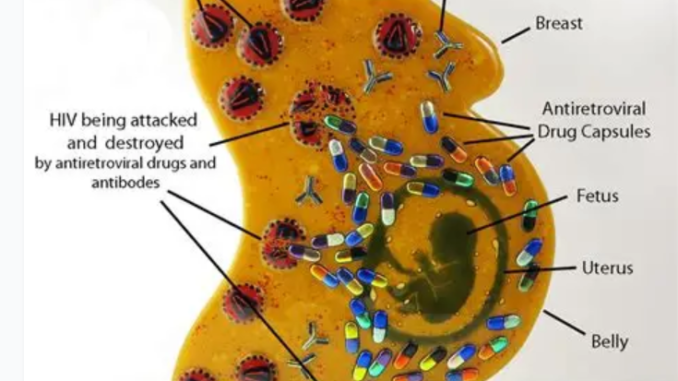
HIV transmission from a parent to an infant is known as mother-to-child transmission (MTCT). It can occur during pregnancy, childbirth, or breastfeeding.
Although modern medicine has greatly reduced the chances of this happening, certain factors still increase the risk.
Understanding these factors helps parents take the right steps to protect the baby. Here are eight key factors you should know.
1. High Viral Load in the Mother
A high amount of HIV in the mother’s blood is one of the strongest risk factors. When the viral load is high, the virus is easily passed to the baby. Proper treatment can reduce the viral load and lower the risk.
2. Not Using Antiretroviral Treatment (ART)
ART helps suppress HIV and protect both the mother and the infant. When a mother is not on treatment, the risk of transmission becomes much higher. Taking medication consistently throughout pregnancy is essential.
3. Poor Adherence to Treatment
Some mothers start ART but fail to take it consistently. Missing doses allows the virus to multiply again. Poor adherence increases the baby’s exposure during pregnancy and delivery.
4. Breastfeeding Without Medical Guidance
HIV can be transmitted through breast milk. In areas where safe formula feeding is available, mothers are often advised not to breastfeed. However, where formula is unsafe or unavailable, doctors guide mothers on how to breastfeed safely to reduce risk.
5. Infections During Pregnancy
Sexually transmitted infections (STIs), malaria, and other infections increase inflammation in the birth canal and placenta. This makes it easier for HIV to pass from mother to child.
6. Prolonged or Complicated Labour
A long labour or complications such as ruptured membranes expose the baby to maternal fluids for a longer time. The longer the exposure, the higher the risk of transmission.
7. Mixed Feeding in the First Months
Giving the baby both breast milk and other foods or liquids during the first six months can damage the baby’s intestinal lining. This makes it easier for HIV to enter the infant’s body.
8. Lack of Proper Medical Monitoring
Regular check-ups help doctors monitor viral load, adjust treatment, and detect any complications early. Without medical supervision, risky conditions may go unnoticed, increasing the chances of transmission.
Conclusion
HIV transmission from parent to infant can be greatly reduced when parents understand these eight risk factors.
With proper treatment, regular follow-up, safe feeding practices, and good medical care, many babies born to HIV-positive mothers remain HIV-free.+See more details
Awareness, early action, and consistent treatment are the most powerful tools in protecting the child’s health.
Get Breaking News Before Everyone Else — Join Our Whatsapp Channel Now!!!
𝗙𝗼𝗹𝗹𝗼𝘄 𝗢𝘂𝗿 𝗪𝗵𝗮𝘁𝘀𝗔𝗽𝗽 𝗖𝗵𝗮𝗻𝗻𝗲𝗹 𝗧𝗼 𝗚𝗲𝘁 𝗟𝗮𝘁𝗲𝘀𝘁 𝗡𝗲𝘄𝘀 𝗔𝘀 𝗜𝘁'𝘀 𝗗𝗿𝗼𝗽!