Senator representing the Federal Capital Territory (FCT), Senator Ireti Heebah Kingibe, has dismissed reports claiming that the Senate rejected key electoral reforms, including the electronic transmission of election results, describing such claims as misleading and inaccurate.
Speaking in a press release made available to LeadNaija News, Senator Kingibe, a member of the Senate Committee on Electoral Matters, said the ongoing Electoral Reform Bill remains a product of an extensive, transparent, and inclusive process that began in 2024.
According to her, the National Assembly, through a joint committee of the Senate and the House of Representatives, conducted wide-ranging public hearings and policy retreats throughout 2024 and 2025 as part of efforts to strengthen Nigeria’s electoral framework.
The process, she noted, enjoyed the active participation of the Independent National Electoral Commission (INEC), alongside several Civil Society Organisations (CSOs) that served as technical partners.
“Through rigorous debate, consultation, and consensus building, we produced a comprehensive report that reflected the aspirations and expectations of Nigerians for a more credible electoral system,” she stated.
Three Pillars of the Electoral Reform
Senator Kingibe explained that the committee’s report was anchored on three major pillars, aimed at improving transparency and credibility in elections:
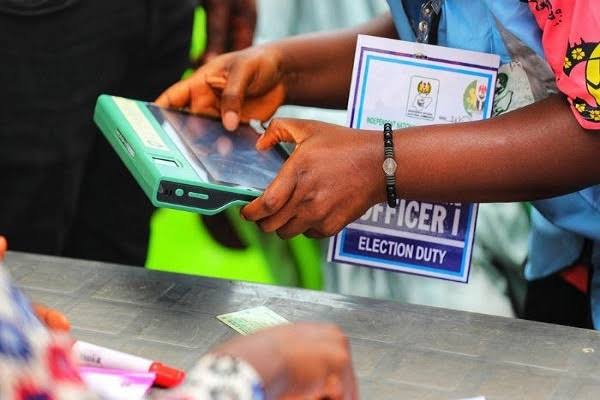
Electronic transmission of election results and real-time upload to the INEC Result Viewing Portal (IREV) to boost public confidence.
Recognition of three modes of party primaries — direct, indirect, and consensus — giving political parties flexibility within a regulated framework.
Clearly defined election timelines designed to work efficiently for INEC, political actors, and the electorate.
She revealed that when the report was presented on the Senate floor, an ad hoc committee was constituted to review it, adding that its recommendations were largely consistent with the original report.
Importantly, Senator Kingibe disclosed that about 85 per cent of Senators supported the electronic transmission of election results, countering narratives that the proposal was rejected.
No Reversion to 2022 Electoral Act
Reacting to reports suggesting that the Senate reverted to the 2022 Electoral Act, the FCT Senator clarified that while the 2022 Act referenced “transfer” of results, the new reform proposals explicitly recommend that INEC “shall electronically transmit election results and upload them to IREV in real time.”
She stressed that these amendments are documented and still part of the legislative process, not discarded.
Harmonisation Still Ongoing
Senator Kingibe further explained that the Electoral Reform Bill has not reached its final stage, as the harmonisation process between the Senate and the House of Representatives is still ongoing.
A conference (correspondence) committee, she said, has been constituted to align both chambers’ versions into a single, final bill, despite the bill having passed third reading.
“The final harmonised version is yet to be concluded,” she noted.
Call for Citizen Engagement
Emphasising that the reform process is driven by a genuine commitment to democracy, Senator Kingibe urged Nigerians to remain calm but vigilant.
She called on citizens to actively engage their elected representatives, demand transparency, and insist that the final Electoral Reform Bill protects their votes and democratic rights.
“We are your representatives. We are your voice. And your will must shape the laws that govern you,” she said.
Get Breaking News Before Everyone Else — Join Our Whatsapp Channel Now!!!
𝗙𝗼𝗹𝗹𝗼𝘄 𝗢𝘂𝗿 𝗪𝗵𝗮𝘁𝘀𝗔𝗽𝗽 𝗖𝗵𝗮𝗻𝗻𝗲𝗹 𝗧𝗼 𝗚𝗲𝘁 𝗟𝗮𝘁𝗲𝘀𝘁 𝗡𝗲𝘄𝘀 𝗔𝘀 𝗜𝘁'𝘀 𝗗𝗿𝗼𝗽!