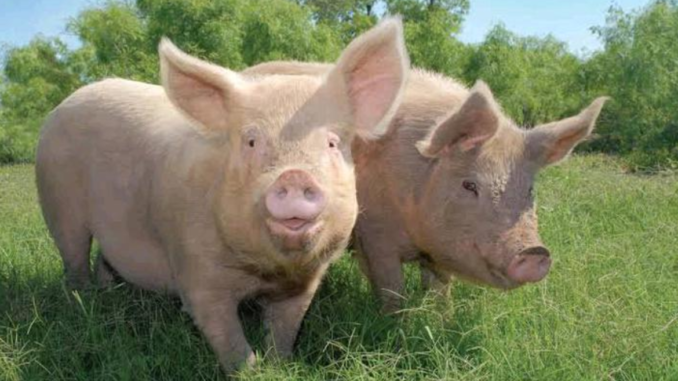
As the global conversation around health and wellness continues to evolve, many people are starting to rethink their dietary choices.
One area that has gained attention is the consumption of pork, with some experts urging caution due to various health concerns.+See more details
Healthline reports that when considering the following factors, you may begin to question how much beef and pork you consume. Here’s why:
Pigs’ Unsanitary Eating Habits
Pigs have long been notorious for their unsavory eating habits. Not only do they consume their own feces, but they also eat the feces of other animals. This behavior leads to serious hygiene concerns.
Feces can carry harmful bacteria, parasites, and diseases that can pose significant risks to both the animals and humans who consume their meat.
Moreover, pigs are omnivores, meaning they consume a variety of living and dead food sources, including carcasses.
The consumption of dead animals increases the likelihood of pigs ingesting harmful pathogens, which in turn can contaminate their flesh.
The Pig’s Simple Digestive System
Unlike cows, which have a complex digestive system capable of breaking down a wide array of toxins, pigs have a relatively simple digestive system.
This means that toxins and contaminants in their food may not be efficiently removed from their bodies. As a result, these harmful substances can accumulate in the pig’s body, particularly in fat tissue.
Even cooking pork at high temperatures doesn’t always eliminate these toxins, increasing the risk of consuming harmful substances that could lead to illnesses like hepatitis E and multiple sclerosis.
Pigs Lack Sweat Glands, Leading to Increased Toxins in Their Bodies
Sweating is an essential part of detoxification for many animals, helping them rid their bodies of toxins.
Unfortunately, pigs are lacking sweat glands, which means they cannot eliminate contaminants from their bodies through perspiration.
As a result, pork often contains higher levels of pollutants, which could be transferred to humans when consumed.
To regulate their body temperature, pigs roll around in the dirt, which may help them stay cool but does little to prevent the accumulation of toxins in their system.
Pigs Are Hosts to Numerous Parasites
Pork is known for harboring various types of parasites, including lungworms, kidney worms, stomach worms, whipworms, and roundworms.
Even when pork is cooked at high temperatures, these parasites may not be entirely eliminated, leaving the potential for infections or diseases.
Consumption of undercooked or contaminated pork can lead to serious health complications, particularly for individuals with weakened immune systems.
Given these concerns, it may be time to reconsider your consumption of pork and other meats that could pose health risks.
While some may argue that cooking pork at high temperatures can mitigate some of these issues, it’s important to weigh the potential health risks against the benefits of other protein sources.+See more details
By being informed and making conscious dietary choices, you can reduce the risk of health problems linked to pork consumption.
Get Breaking News Before Everyone Else — Join Our Whatsapp Channel Now!!!
𝗙𝗼𝗹𝗹𝗼𝘄 𝗢𝘂𝗿 𝗪𝗵𝗮𝘁𝘀𝗔𝗽𝗽 𝗖𝗵𝗮𝗻𝗻𝗲𝗹 𝗧𝗼 𝗚𝗲𝘁 𝗟𝗮𝘁𝗲𝘀𝘁 𝗡𝗲𝘄𝘀 𝗔𝘀 𝗜𝘁'𝘀 𝗗𝗿𝗼𝗽!