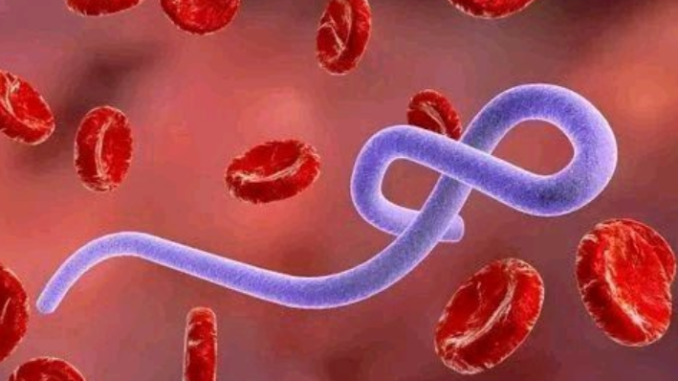
When we think about deadly diseases, it can feel frightening, but it’s important to understand them so we can take preventive steps.
Some illnesses are silent killers, spreading fast and damaging the body before symptoms even become obvious.
Others are aggressive and require immediate medical attention.
While medical advancements have improved treatment, certain diseases are still known for how quickly.+See more details
they can claim lives if not addressed. Here are five of the most dangerous ones.
1. Heart Attack (Myocardial Infarction) – A heart attack happens when blood flow to the heart is suddenly blocked, usually by a clot or buildup of fatty deposits in the arteries.
It can strike without warning and lead to death within minutes if untreated.
Symptoms like chest pain, sweating, or shortness of breath should never be ignored.
2. Stroke – A stroke occurs when blood supply to the brain is interrupted.
It can be caused by a clot (ischemic stroke) or bleeding in the brain (hemorrhagic stroke).
Quick action is critical; every minute of delay can cause brain damage and increase the risk of death.
3. Sepsis – Often called “blood poisoning,” sepsis is a life-threatening reaction to an infection that spreads through the bloodstream.
It can develop from something as simple as a cut or untreated infection and can quickly lead to organ failure if not treated urgently.
4. Meningitis – This disease inflames the membranes around the brain and spinal cord.
Bacterial meningitis, in particular, can be fatal within hours if not treated with strong antibiotics.
Early symptoms often look like the flu but quickly worsen, causing confusion, seizures, or coma.
5. Certain Cancers – Some aggressive cancers like pancreatic, lung, or liver cancer progress rapidly.
They often show few symptoms until late stages, making early detection and treatment essential for survival.
Understanding these diseases is not meant to cause fear but to encourage awareness.
Regular health checkups, early treatment, a balanced diet, and healthy living can lower your risk significantly.
Get Breaking News Before Everyone Else — Join Our Whatsapp Channel Now!!!
𝗙𝗼𝗹𝗹𝗼𝘄 𝗢𝘂𝗿 𝗪𝗵𝗮𝘁𝘀𝗔𝗽𝗽 𝗖𝗵𝗮𝗻𝗻𝗲𝗹 𝗧𝗼 𝗚𝗲𝘁 𝗟𝗮𝘁𝗲𝘀𝘁 𝗡𝗲𝘄𝘀 𝗔𝘀 𝗜𝘁'𝘀 𝗗𝗿𝗼𝗽!