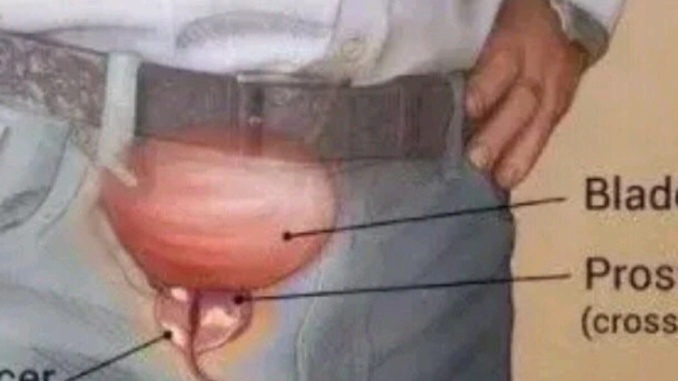
As men age, enlarged prostate glands, medically known as benign prostatic hyperplasia (BPH), become more common.
The prostate grows naturally over time, but because it is located just below the bladder and surrounds the urethra, this growth can cause visible symptoms.+See more. .
Detecting these signs early can help you receive treatment before the disease significantly impacts your quality of life.
Here are five important warning signs to look out for may also indicate other conditions that need to be evaluated, such as prostate cancer, urinary tract infections, or bladder problems.
Early diagnosis means more treatment options, from lifestyle changes and medications to minimally invasive procedures.
Don’t let embarrassment stop you from seeking help. Prostate problems affect millions of men, and treating them promptly can greatly improve quality of life and prevent future complications.
Remember that prostate health is an important part of your overall health as you age. Regular check-ups and open communication with your doctor are your best defense against serious problems.
1. Increased frequency of needing to urinate
One of the earliest and most common signs of an enlarged prostate is the need to urinate more often than usual, especially during the day. Sudden and urgent needs that are difficult to control may cause you to go to the bathroom several times in a short period of time.
This happens because the enlarged prostate puts pressure on both the bladder and urethra, making the bladder feel full even when it isn’t. Constant cravings can interfere with daily life and social situations. 2. Frequent urination at night (nocturia).
Waking up frequently during the night to urinate is also a characteristic sign of an enlarged prostate. Waking up once may be normal, but having to go to the bathroom three, four, or even five times a night can disrupt your sleep cycle and leave you feeling tired during the day.
This nocturia, called nocturia, occurs because the urethra is blocked, making it difficult to empty the bladder completely and causing the person to want to go back up immediately after lying down. 3. Difficulty starting or maintaining urination.
An enlarged prostate can make it surprisingly difficult to urinate, even if you have a strong urge to urinate.
You may stand in the toilet waiting for the flow to start, or you may notice that the flow is weak, intermittent, or stops and starts.
In more severe cases, you may experience urinary retention, where you are physically unable to urinate even though your bladder is full.
This is not only an inconvenience, but if left untreated, it can become an emergency and requires immediate medical attention.
4. Changes in sexual function
Enlarged prostate can affect sexual performance in many ways. Increased pressure on the urethra and surrounding structures can make ejaculation difficult or uncomfortable.
Some men have difficulty achieving an erection or notice changes in the strength or amount of ejaculation.
These problems can have several causes, but if they occur at the same time as urinary symptoms, an enlarged prostate may be the culprit.
Don’t hesitate to discuss these issues with your doctor. They are common and treatable.
5. Bladder emptying incompletely
After urinating, your bladder may feel like it’s not completely empty, and you may feel bloated and uncomfortable.
This occurs because the urethra narrows, preventing complete drainage.
You may notice that your urine is leaking after you think you’re done, or you may feel the need to urinate again after a few minutes.
Over time, urinary retention can increase your risk of urinary tract infections and bladder stones. When to see a doctor
If you have a combination of these symptoms, consult your doctor or urologist.
Although enlarged prostates are common and usually benign, these symptoms.+See more details
𝗙𝗼𝗹𝗹𝗼𝘄 𝗢𝘂𝗿 𝗪𝗵𝗮𝘁𝘀𝗔𝗽𝗽 𝗖𝗵𝗮𝗻𝗻𝗲𝗹 𝗧𝗼 𝗚𝗲𝘁 𝗟𝗮𝘁𝗲𝘀𝘁 𝗡𝗲𝘄𝘀 𝗔𝘀 𝗜𝘁'𝘀 𝗗𝗿𝗼𝗽!