These 2 Type diabetes is a chronic condition that affects millions of people worldwide.
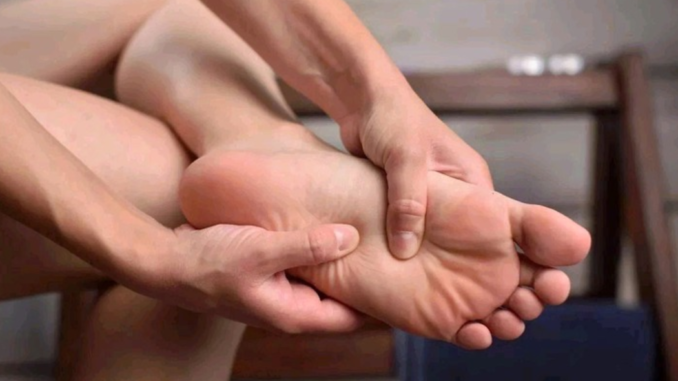
While symptoms can appear in various parts of the body, the feet often provide some of the earliest warning signs.+See more details
Because high blood sugar can damage nerves and blood vessels, changes in your feet may indicate the onset or worsening of diabetes.
Being aware of these signs can help you seek medical attention early and prevent severe complications.
1. Numbness or Tingling
One of the most common foot-related symptoms of type 2 diabetes is numbness, tingling, or a “pins and needles” sensation.
This happens due to diabetic neuropathy, where prolonged high blood sugar damages the nerves.
If you notice a persistent tingling sensation or reduced feeling in your toes or soles, it’s a signal that your nerves may be affected.
2. Unusual Pain or Burning Sensation
Some people with type 2 diabetes experience sharp, burning, or aching pain in their feet, especially at night.
This discomfort often occurs because of nerve damage caused by consistently high blood sugar levels.
Even mild pain should not be ignored, as it can indicate the early stages of neuropathy.
3. Slow Healing Sores or Infections
Diabetes can reduce blood circulation, especially to the extremities.
As a result, cuts, blisters, or sores on the feet may take much longer to heal.
Persistent wounds or infections that do not improve with standard care are a major red flag and should be addressed promptly to avoid severe complications, including ulcers or gangrene.
4. Changes in Skin or Toenail Appearance
High blood sugar can also affect the skin and nails of your feet.
Dry, cracked skin, discoloration, or fungal infections in toenails are common in diabetics.
Thickened or yellowed nails, along with persistent itching or peeling, may indicate poor circulation or early diabetic complications.
In conclusion, the feet can reveal early signs of type 2 diabetes before other symptoms become obvious.
Numbness, unusual pain, slow-healing sores, and changes in skin or nails should never be ignored.
Paying attention to your feet, maintaining proper hygiene, and seeking timely medical care can prevent complications and protect your overall health.
Get Breaking News Before Everyone Else — Join Our Whatsapp Channel Now!!!
𝗙𝗼𝗹𝗹𝗼𝘄 𝗢𝘂𝗿 𝗪𝗵𝗮𝘁𝘀𝗔𝗽𝗽 𝗖𝗵𝗮𝗻𝗻𝗲𝗹 𝗧𝗼 𝗚𝗲𝘁 𝗟𝗮𝘁𝗲𝘀𝘁 𝗡𝗲𝘄𝘀 𝗔𝘀 𝗜𝘁'𝘀 𝗗𝗿𝗼𝗽!