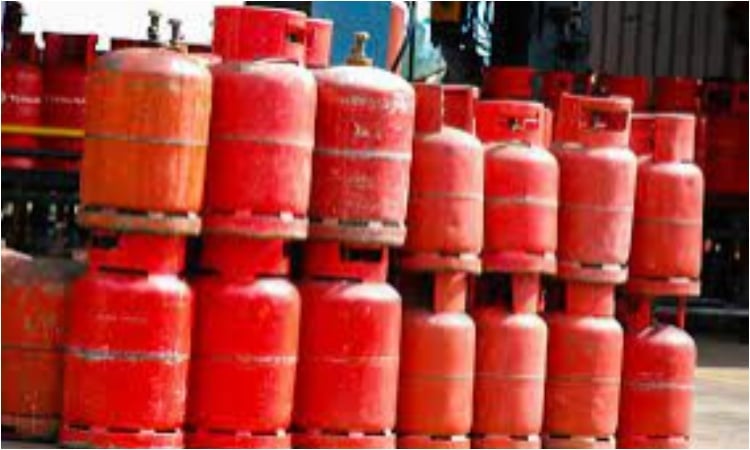
A review of data from the Global Petroleum Price portal has shown that cooking gas prices in Nigeria are higher than in several countries, including Saudi Arabia, Russia, India, and Angola, raising fresh concerns over energy affordability.
The findings highlight the growing burden on Nigerian households despite the country’s status as a major oil and gas producer.
According to the data, Liquefied Petroleum Gas (LPG) in Nigeria was priced at $0.674 per kilogram as of March 16, 2026.
The figure places Nigeria among countries with relatively higher cooking gas prices globally.
In comparison, LPG costs significantly less in other countries. Saudi Arabia records $0.290 per kilogram, Russia $0.388, while Angola has one of the lowest prices at $0.109. Azerbaijan stands even lower at $0.091 per kilogram.
Other countries reviewed include Honduras at $0.412, Belarus at $0.438, Armenia at $0.503, and the Dominican Republic at $0.596.
Further comparisons show Georgia at $0.624, India at $0.648, and Paraguay at $0.656, placing Nigeria on the same level as Chile at $0.674, but still higher than many oil-producing nations.
Data shows that the minimum wage in Saudi Arabia is about $1,065, while Nigeria’s minimum wage stands at approximately $49.
In Russia, the minimum wage is around $321.32, further highlighting the disparity in purchasing power.
The gap suggests that Nigerian consumers face a significantly heavier burden in accessing cooking gas compared to citizens of other countries.
The rising cost of LPG reflects broader trends in Nigeria’s energy market, where prices of petroleum products have continued to increase.
This has directly affected household energy costs, especially as more Nigerians adopt cooking gas as an alternative to kerosene and firewood.
Recent market developments have also contributed to the increase. The Dangote Refinery recently raised its gantry price of LPG to ₦800 per kilogram from ₦760/kg, with the new rate taking effect on March 17, 2026.
Market checks indicate that the adjustment is linked to rising global crude oil prices, which have increased feedstock and refining costs.
Stakeholders warn that without interventions, the rising cost of cooking gas may further limit access to clean energy for many households.
The development has renewed calls for policies aimed at stabilising prices and improving affordability in Nigeria’s domestic energy market.
Get Breaking News Before Everyone Else — Join Our Whatsapp Channel Now!!!
𝗙𝗼𝗹𝗹𝗼𝘄 𝗢𝘂𝗿 𝗪𝗵𝗮𝘁𝘀𝗔𝗽𝗽 𝗖𝗵𝗮𝗻𝗻𝗲𝗹 𝗧𝗼 𝗚𝗲𝘁 𝗟𝗮𝘁𝗲𝘀𝘁 𝗡𝗲𝘄𝘀 𝗔𝘀 𝗜𝘁'𝘀 𝗗𝗿𝗼𝗽!