Living with HIV means the immune system needs extra support. While medication remains the most important part of treatment, the right foods can help the body stay stronger, fight infections, and improve overall well-being.
A balanced, nutritious diet plays a key role in supporting immunity.+See more details
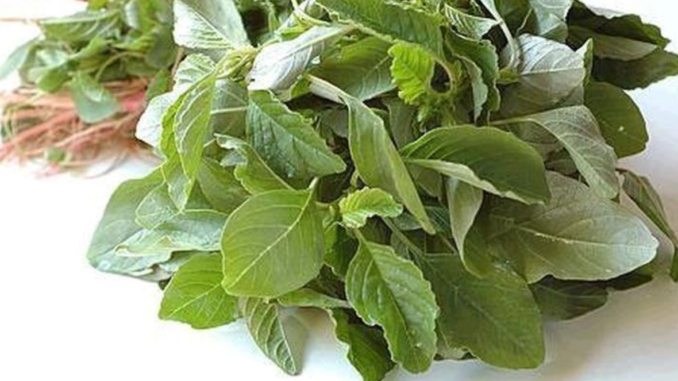
Fruits and vegetables should be eaten daily. They are rich in vitamins, minerals, and antioxidants that protect immune cells. Oranges, mangoes, pawpaw, berries, spinach, carrots, and broccoli provide vitamin.
C, vitamin A, and other nutrients that help the body resist infections.
Protein-rich foods are essential for building and repairing body tissues. They also help produce immune cells.
Good sources include eggs, beans, lentils, peas, fish, lean meat, chicken, milk, and yogurt. For those who prefer plant-based options, groundnuts and soy products are excellent choices.
Whole grains provide energy and important nutrients like zinc and B vitamins, which support immune function. Foods such as brown rice, whole maize, millet, oats, and whole wheat bread help maintain strength and reduce fatigue.
Healthy fats also support immunity. Avocados, nuts, seeds, olive oil, and fatty fish like sardines contain fats that reduce inflammation and help the body absorb vitamins properly. These foods should be eaten in moderate amounts.
Fermented foods are good for gut health, which is closely linked to immunity. Yogurt with live cultures and traditional fermented foods helps maintain healthy digestion and improve nutrient absorption.
Plenty of fluids are equally important. Clean water, fresh fruit juices, soups, and herbal teas help the body flush out toxins and prevent dehydration, especially during illness.
In conclusion, no single food can cure HIV, but a varied and balanced diet can strengthen the immune system and improve quality of life.
Combined with proper medical care, healthy eating helps HIV patients stay active, resilient, and better protected against infections.+See more details
Get Breaking News Before Everyone Else — Join Our Whatsapp Channel Now!!!
𝗙𝗼𝗹𝗹𝗼𝘄 𝗢𝘂𝗿 𝗪𝗵𝗮𝘁𝘀𝗔𝗽𝗽 𝗖𝗵𝗮𝗻𝗻𝗲𝗹 𝗧𝗼 𝗚𝗲𝘁 𝗟𝗮𝘁𝗲𝘀𝘁 𝗡𝗲𝘄𝘀 𝗔𝘀 𝗜𝘁'𝘀 𝗗𝗿𝗼𝗽!