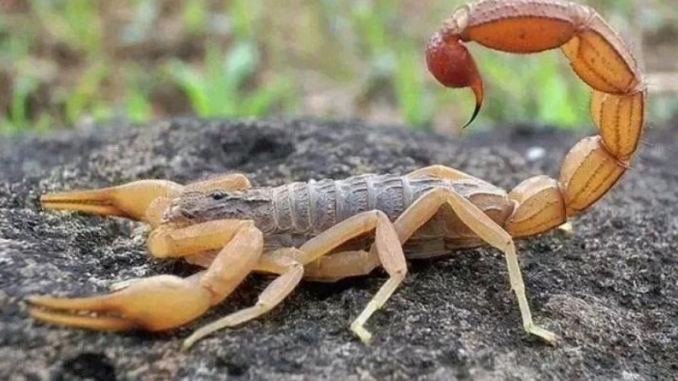
A scorpion sting can be frightening, especially when it happens unexpectedly at home.
While most stings are not deadly, some can cause serious reactions.
Staying calm and acting correctly in the first few minutes can greatly reduce complications.+See more
First, move away from the scorpion to avoid another sting. Try to remember its appearance if possible, but do not waste time trying to catch or kill it. Your safety comes first.
Wash the sting area gently with clean water and mild soap. This helps prevent infection and removes surface venom. Avoid rubbing the area aggressively, as this can spread the venom faster into surrounding tissues.
Apply a cold compress or wrapped ice pack to the sting site for 10 to 15 minutes at a time. Cold helps reduce pain, swelling, and slows venom absorption. Do not apply ice directly to bare skin to prevent frost injury.
Keep the affected limb still and slightly elevated. Movement increases blood flow and may spread the venom more quickly. Encourage the person to rest and breathe slowly to reduce anxiety, which can worsen symptoms.
Over-the-counter pain relievers like paracetamol may help ease discomfort. Avoid alcohol or stimulants, as they can intensify symptoms. Do not cut the skin, suck out the venom, or apply chemicals or herbal mixtures. These methods are dangerous and ineffective.
Watch closely for warning signs such as severe pain, muscle twitching, excessive sweating, vomiting, difficulty breathing, numbness, or unusual movements. Children, elderly people, and those with chronic illnesses are at higher risk.
Seek medical care immediately if symptoms worsen, the sting is on the face or neck, or if the victim is a child. Health facilities can provide proper pain control and antivenom if needed.
Quick, calm action saves lives. Knowing the right steps turns panic into protection.+Load full details
𝗙𝗼𝗹𝗹𝗼𝘄 𝗢𝘂𝗿 𝗪𝗵𝗮𝘁𝘀𝗔𝗽𝗽 𝗖𝗵𝗮𝗻𝗻𝗲𝗹 𝗧𝗼 𝗚𝗲𝘁 𝗟𝗮𝘁𝗲𝘀𝘁 𝗡𝗲𝘄𝘀 𝗔𝘀 𝗜𝘁'𝘀 𝗗𝗿𝗼𝗽!