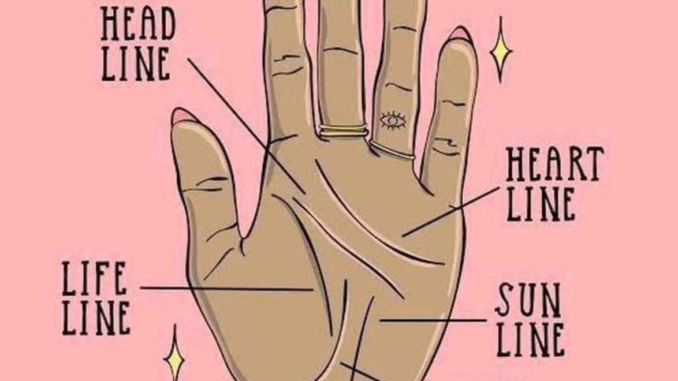
The lines on our palms, particularly the major lines—the heart line, head line, and life line—are often scrutinized in palmistry, an ancient practice believed to reveal insights about one’s personality and life path.
While traditionally, most people have four primary lines on their palms, some individuals may notice only three.
The absence of the fourth line can indicate various interpretations based on palmistry principles.
1. Understanding Palmistry Basics: In palmistry, each line is thought to correspond to different aspects of life. The heart line represents emotions and relationships, the head line symbolizes intellect and decision-making, and the life line indicates vitality and life changes.
The fourth line, which many refer to as the fate line, is not present in everyone. This line is thought to denote life path, destiny, or external influences.
2. Implications of Three Lines: If you observe only three lines on your palm, it may imply a life that is less influenced by external forces or predetermined fate.
Many palmists suggest that individuals with three lines may possess a greater degree of independence and self-determination.
This can be interpreted as a sign of adaptability and resilience, suggesting that such individuals navigate life based on personal choices rather than external pressures.
3. Potential Challenges: While having three lines can signify autonomy, it may also come with challenges.
Those without a fate line may find themselves more susceptible to feeling lost or lacking direction at times.
The absence of this line might reflect a life that is more spontaneous or unpredictable, leading to potential instability in career or relationships.
4. Character Traits: People with three lines may often be seen as free-spirited, innovative, and capable of forging their own paths.
This can lead to a strong sense of self and a willingness to embrace change. However, they might also experience occasional restlessness or dissatisfaction if their pursuits do not align with their inner desires or values.
5. Cultural Perspectives: Different cultures interpret palm lines in varied ways. In some traditions, the absence of a fate line could be viewed positively, as a marker of personal empowerment. Conversely, in other contexts, it might suggest a lack of guidance.
Ultimately, while palmistry provides intriguing insights, it’s important to remember that these interpretations are not definitive.
The human experience is shaped by a myriad of factors beyond what is depicted in the lines of our palms.
Understanding one’s life and personality is a complex interplay of choices, experiences, and inherent traits, making each individual’s journey unique.+See more details
Thus, whether you have three or four lines, the significance lies in how you interpret and navigate your path forward.
Get Breaking News Before Everyone Else — Join Our Whatsapp Channel Now!!!
𝗙𝗼𝗹𝗹𝗼𝘄 𝗢𝘂𝗿 𝗪𝗵𝗮𝘁𝘀𝗔𝗽𝗽 𝗖𝗵𝗮𝗻𝗻𝗲𝗹 𝗧𝗼 𝗚𝗲𝘁 𝗟𝗮𝘁𝗲𝘀𝘁 𝗡𝗲𝘄𝘀 𝗔𝘀 𝗜𝘁'𝘀 𝗗𝗿𝗼𝗽!