Most people rarely pay attention to their urine unless it changes color or smell.
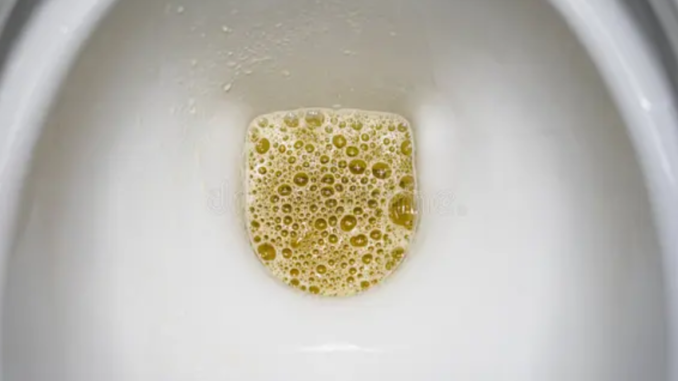
But one thing that often raises concern is foamy urine. While it may happen once in a while without meaning anything serious, when it happens frequently, it could be your body’s way of warning you that something is not right.
Understanding the possible causes and foods to watch out for can help you protect your kidneys and overall health.
One common cause of foamy urine is dehydration.
When your body doesn’t have enough water, urine becomes concentrated and can appear bubbly. Drinking more water usually clears this up.
The second possible cause is excess protein in the urine, a condition called proteinuria.
This happens when the kidneys are not filtering properly, allowing proteins to leak out. It can be a sign of kidney disease and should never be ignored.
Another cause could be urinary tract infections (UTIs).
When bacteria affect the urinary system, the urine may foam, and it’s often accompanied by pain or a burning sensation when urinating.
The fourth cause is rapid urination.
Sometimes, when you urinate with too much force, bubbles form, making it appear foamy.
This is usually harmless unless it happens too often.
Lastly, underlying health conditions like diabetes or high blood pressure can damage the kidneys, leading to foamy urine as a warning sign.
When it comes to diet, some foods can worsen the problem.
Eating too much red meat, salty foods, and processed snacks puts stress on the kidneys.
Even excessive dairy products or high-protein diets can contribute to foamy urine.
In conclusion, foamy urine should not always be taken lightly.
While sometimes harmless, persistent foam could point to kidney issues or other health problems.
The best step is to stay hydrated, eat a balanced diet, and seek medical advice if it continues.
Your urine is one of the body’s ways of speaking to you—don’t ignore it.
𝗙𝗼𝗹𝗹𝗼𝘄 𝗢𝘂𝗿 𝗪𝗵𝗮𝘁𝘀𝗔𝗽𝗽 𝗖𝗵𝗮𝗻𝗻𝗲𝗹 𝗧𝗼 𝗚𝗲𝘁 𝗟𝗮𝘁𝗲𝘀𝘁 𝗡𝗲𝘄𝘀 𝗔𝘀 𝗜𝘁'𝘀 𝗗𝗿𝗼𝗽!