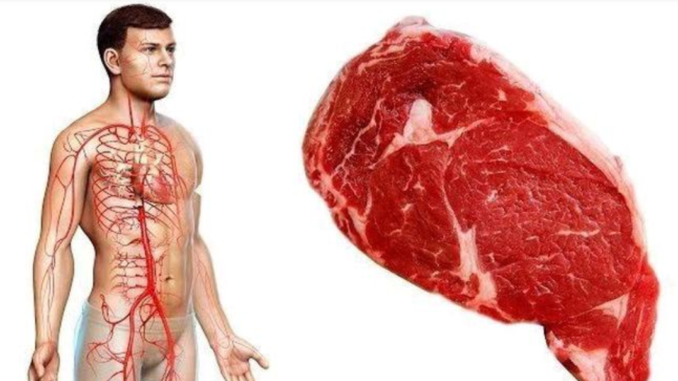
Red meat is a common part of many diets, but it does not suit everyone’s body the same way. While it provides protein, iron, and vitamin B12, too much of it can trigger uncomfortable or even serious reactions in some people.
Your body often gives clear warning signs when it’s struggling to process or tolerate red meat, and ignoring these signals can lead to long-term health issues.
One of the first signs is persistent digestive discomfort. If you notice bloating, stomach cramps.
constipation, or diarrhea shortly after eating red meat, it may mean your digestive system is under strain. Red meat takes longer to digest, and for some people, it can irritate the gut or worsen existing digestive conditions.
Another red flag is frequent fatigue or heaviness after meals. Feeling unusually tired, sluggish, or mentally foggy after consuming red meat could indicate that your body is working too hard to break it down. This may also be linked to inflammation or poor fat metabolism.
Joint pain and body inflammation are also warning signs. Red meat can increase inflammatory markers in the body, especially when eaten often or in large portions. If you notice stiff joints, muscle aches, or swelling that seems to worsen after eating it, reducing intake may help.
You should also pay attention to skin reactions such as acne, rashes, or itchiness. These may signal food sensitivity or hormonal responses linked to red meat consumption.
Lastly, changes in cholesterol levels or blood pressure, especially if flagged by a medical test, are serious signs. Excess red meat has been associated with higher LDL cholesterol and heart strain.+See more details
Listening to your body and moderating or avoiding red meat when these signs appear can improve overall health, energy, and long-term well-being.
Get Breaking News Before Everyone Else — Join Our Whatsapp Channel Now!!!
𝗙𝗼𝗹𝗹𝗼𝘄 𝗢𝘂𝗿 𝗪𝗵𝗮𝘁𝘀𝗔𝗽𝗽 𝗖𝗵𝗮𝗻𝗻𝗲𝗹 𝗧𝗼 𝗚𝗲𝘁 𝗟𝗮𝘁𝗲𝘀𝘁 𝗡𝗲𝘄𝘀 𝗔𝘀 𝗜𝘁'𝘀 𝗗𝗿𝗼𝗽!