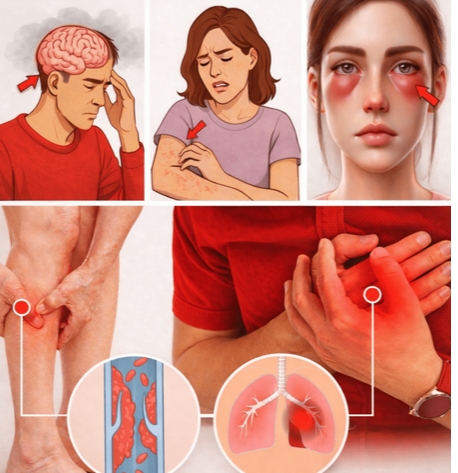
You wake up exhausted, as if you’ve been running all night, with heavy legs and a persistent metallic taste in your mouth that ruins your morning coffee.
That subtle puffiness around your eyes lingers, making you feel self-conscious and drained, and you brush it off as just another sign of getting older or dealing with daily stress.
High creatinine levels can quietly build up, affecting your energy and confidence without you realizing the underlying kidney strain.
But what if there’s one overlooked clue that appears even earlier, revealed at the end of this article, that could prompt you to take action sooner?
Understanding High Creatinine and Its Subtle Impact
High creatinine often sneaks up without fanfare, leaving you feeling unusually tired and frustrated with your body’s unexplained changes.
As a waste product from muscle metabolism, elevated creatinine signals that your kidneys might not be filtering efficiently, adding to the worry of potential long-term health issues.
Research from organizations like the CDC highlights how millions experience this silently, amplifying the anxiety of not knowing what’s wrong.
It’s easy to dismiss these feelings as normal, but recognizing them early can make a difference in how you manage your well-being.
The 12 Quiet Symptoms of High Creatinine You Might Notice
These symptoms of high creatinine can mimic everyday annoyances, causing you to overlook the distress your kidneys are under and leading to prolonged discomfort. Paying attention to them helps you stay proactive about your health.
1. Foamy or Bubbly Urine That Persists
Imagine peering into the toilet and seeing foam that doesn’t dissipate quickly, a sight that might make you question your diet but actually points to protein leakage due to high creatinine.
This persistent bubbling can evoke concern about hidden health problems, especially when it disrupts your routine and leaves you wondering if something serious is brewing.
Studies show this is one of the earliest visible indicators of elevated creatinine levels, often dismissed as dietary quirks.
But that’s not all—keep reading for more.
2. Metallic Taste in Mouth and Noticeable Bad Breath
A strange metallic flavor lingering in your mouth, even after brushing, can be disheartening when loved ones subtly pull away during conversations, heightening feelings of isolation amid high creatinine concerns.
This ammonia-like breath stems from urea buildup that kidneys struggle to clear, turning social interactions into sources of embarrassment.
According to health experts, it’s a common red flag for rising creatinine that many attribute to oral hygiene issues first.
Here’s the interesting part: it often precedes other signs.
3. Persistent Itchy Skin Disrupting Sleep
Night after night, itchy skin from high creatinine keeps you tossing and turning, robbing you of rest and leaving you irritable the next day.
Toxins that should be filtered by kidneys irritate your nerves, making you reach for lotions instead of considering deeper causes, which only prolongs the frustration.
Research indicates this symptom affects many with elevated creatinine, often blamed on environmental factors like dry air.
And yet, there’s more to uncover.
4. Swelling in Ankles, Feet, or Hands That Leaves Indents
Pressing your finger into swollen areas and seeing the dent linger can be alarming, a direct result of fluid retention from high creatinine straining your kidneys.
This puffiness makes shoes feel tight and movements cumbersome, adding to the daily hassle and self-doubt about your appearance.
Health studies link this to inefficient kidney function, commonly misattributed to excessive salt intake over time.
The truth is, it connects to broader patterns.
5. Feeling Unusually Cold in Warm Environments
Shivering in a room where others are comfortable, due to anemia linked to high creatinine, can make you feel out of sync and vulnerable to constant chills.
Reduced erythropoietin production drops red blood cell counts, intensifying the discomfort of always needing extra layers.
Experts note this as a subtle symptom of elevated creatinine that people often chalk up to poor circulation or aging.
But wait, the connections deepen.
6. Shortness of Breath During Light Activities
Gasping for air after a short walk, caused by fluid buildup or anemia from high creatinine, turns simple errands into exhausting ordeals that sap your motivation.
This breathlessness fosters worry about fitness levels, when it’s actually your kidneys signaling distress.
Medical research associates this with advancing creatinine levels, frequently dismissed as being out of shape.
7. Dull Back Pain Near the Kidney Area
A persistent ache below your ribs from high creatinine can make sitting or lying down uncomfortable, interfering with work and leisure, and sparking fears of chronic pain.
This discomfort often leads to unnecessary tests for muscle issues before kidney checks, prolonging uncertainty. Studies in kidney health journals confirm it’s a classic indicator of elevated creatinine.
Here’s where it gets intriguing: it rarely stands alone.
8. Unexplained Fatigue No Matter the Rest
Constant tiredness from high creatinine, where waste accumulates in your blood, leaves you reliant on caffeine yet still drained, affecting productivity and joy in life.
This fatigue hits even within normal lab ranges, as per kidney research, making you question your lifestyle choices unnecessarily.
And that’s just the beginning.
9. Brain Fog and Difficulty Concentrating
Struggling to recall words or focus amid high creatinine’s uremic toxins can mimic forgetfulness, leading to embarrassing “senior moments” that erode confidence.
These cognitive slips cross into daily interactions, heightening stress about mental sharpness. Health authorities recognize this as mild encephalopathy related to rising creatinine.
But there’s a cycle here worth noting.
10. Blood Pressure Becoming Harder to Manage
Sudden spikes in blood pressure due to high creatinine trigger a renin release cycle, making medications less effective and increasing anxiety over heart health.
This shift disrupts routines, as what once worked fails, often without immediate kidney investigation.
Research shows damaged kidneys exacerbate this, a common oversight.
The fascinating aspect? It ties into nightly disturbances.
11. Nighttime Muscle Cramps That Interrupt Sleep
Painful cramps jolting you awake from high creatinine’s electrolyte imbalances turn rest into a battle, leaving you groggy and resentful of lost sleep.
These strikes between midnight hours affect muscles most, with fluctuating magnesium and potassium adding to the misery. Experts link this directly to poor kidney filtration.
Finally, one more to consider.
12. Nausea or Reduced Appetite for Familiar Foods
Losing interest in favorite meals when high creatinine climbs can make eating joyless, leading to unintended weight changes and nutritional worries.
Foods tasting “off” signals advancing levels, often before severe symptoms emerge. Studies indicate this appetite loss is a key marker for elevated creatinine.
Common Misattributions of High Creatinine Symptoms
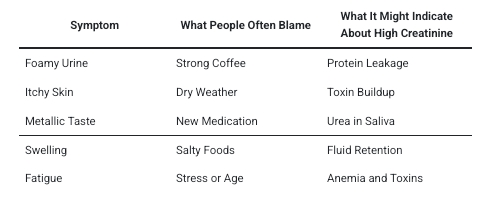

This table highlights how high creatinine symptoms get overlooked, intensifying the emotional toll of unexplained discomfort.
Real-Life Experiences with High Creatinine
Stories of individuals facing high creatinine bring home the reality, like one person who felt persistently tired and puffy, only to discover elevated levels after routine checks.
Adjusting habits helped manage it, but the initial oversight caused unnecessary worry.
Another attributed itching to life changes, later finding high creatinine had progressed, underscoring the regret of delayed attention.
These accounts remind us of the hidden struggles with high creatinine.
Safe Steps to Monitor High Creatinine Concerns
Taking proactive measures against potential high creatinine can ease the burden of uncertainty. Here’s a simple guide:
Request specific tests like serum creatinine, eGFR, and urine albumin-to-creatinine ratio during check-ups.
Monitor morning blood pressure for unexpected changes.
Stay hydrated to aim for pale urine throughout the day.
Incorporate kidney-supportive foods such as berries, cabbage, and olive oil.
Reduce processed items gently to support overall function.
A 7-Day Challenge to Check for High Creatinine Signs
Engage in this straightforward routine to heighten awareness of high creatinine symptoms, addressing the fear of missing early cues:
- Days 1-3: Observe your urine consistency each time.
- Day 4: Test for pitting edema by pressing your shins.
- Day 5: Note any off tastes in food.
- Day 6: Assess if you’re feeling colder than usual.
- Day 7: Schedule a blood test consultation.
This challenge empowers you, reducing the anxiety tied to high creatinine.
In summary, recognizing these 12 symptoms of high creatinine can prompt timely discussions with healthcare providers, alleviating the silent stress they cause. By staying informed, you support your kidney health proactively.
Frequently Asked Questions About High Creatinine
What causes high creatinine levels?
High creatinine can result from factors like dehydration, certain medications, or underlying kidney conditions, often leading to concerns about overall vitality.
How can I lower my creatinine naturally?
Focusing on hydration, balanced diet, and regular exercise may help manage creatinine, but always consult a professional to address the unease of elevated levels.
When should I see a doctor for high creatinine symptoms?
If you notice persistent symptoms like fatigue or swelling, seeking advice can prevent the worry from escalating.
This article is for informational purposes only and is not a substitute for professional medical advice.
Consult your healthcare provider for any health concerns related to high creatinine or kidney function.
Get Breaking News Before Everyone Else — Join Our Whatsapp Channel Now!!!
𝗙𝗼𝗹𝗹𝗼𝘄 𝗢𝘂𝗿 𝗪𝗵𝗮𝘁𝘀𝗔𝗽𝗽 𝗖𝗵𝗮𝗻𝗻𝗲𝗹 𝗧𝗼 𝗚𝗲𝘁 𝗟𝗮𝘁𝗲𝘀𝘁 𝗡𝗲𝘄𝘀 𝗔𝘀 𝗜𝘁'𝘀 𝗗𝗿𝗼𝗽!