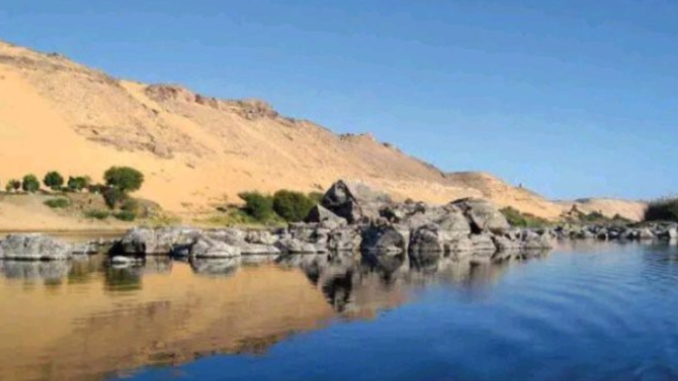
A river is a naturally occurring, freely flowing body of water that flows into an ocean, lake, sea, or other river.
Freshwater is often the predominant constituent of rivers.+See more details
Rivers often originate when rain or snowmelt gathers in a channel and begins to flow downward due to gravity.
Rivers transport debris downstream, degrade the soil, and offer many different habitats for both plants and animals.
Rivers are essential to human civilization because they supply the water needed for electricity generation, agriculture, and transportation.
Some of the most well-known rivers in the world are the Nile, Amazon, Yangtze, and Mississippi.
Which river is the longest in the world?
The longest river in the world is the Nile, which traverses Africa. It traverses 4,135 miles (6,650 km) from the headwaters in Burundi to its delta in Egypt, passing through 11 different countries.
The Nile River has been a significant source of water and irrigation for the local community and agricultural sector since ancient times.
Additionally, it has made a substantial contribution to the development of human civilization.+See more details
Get Breaking News Before Everyone Else — Join Our Whatsapp Channel Now!!!
𝗙𝗼𝗹𝗹𝗼𝘄 𝗢𝘂𝗿 𝗪𝗵𝗮𝘁𝘀𝗔𝗽𝗽 𝗖𝗵𝗮𝗻𝗻𝗲𝗹 𝗧𝗼 𝗚𝗲𝘁 𝗟𝗮𝘁𝗲𝘀𝘁 𝗡𝗲𝘄𝘀 𝗔𝘀 𝗜𝘁'𝘀 𝗗𝗿𝗼𝗽!