Nigerians may face fresh economic pressure following a new increase in domestic gas prices, which could affect electricity tariffs, manufacturing costs, and the general cost of living.
The Nigerian Midstream and Downstream Petroleum Regulatory Authority on Tuesday announced an increase in the Domestic Base Price of natural gas to $2.18 per MMBtu, effective April 1, 2026, up from $2.13/MMBtu in 2025.full, details. .
Although the increase represents a five-cent rise, about 2.35 per cent, experts say the adjustment could still trigger ripple effects across several sectors of the economy.
The regulator said the review was carried out in line with the Petroleum Industry Act, existing gas pricing regulations, and prevailing market conditions.
Gas is a major input for electricity generation and industrial production in Nigeria, meaning changes in its price could translate into higher operational costs for businesses and service providers.
Energy analysts warned that the price adjustment could eventually lead to higher electricity tariffs and increased production costs, which may be passed on to consumers.
This could further compound the financial burden on households already dealing with rising food prices, transport costs, and inflation.
Cooking Gas Price Hits ₦1,150 Per kg
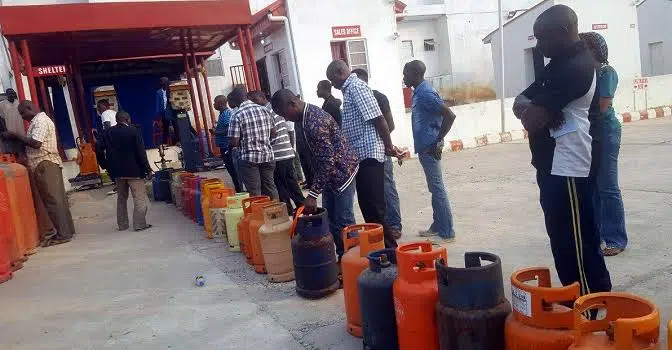
Current market data also shows that the price of liquefied petroleum gas (cooking gas) has risen to about ₦1,150 per kilogram.
Based on the current average market price, refilling different cylinder sizes could cost approximately:
1kg ₦1,150
3kg ₦3,450
5kg ₦5,750
10kg ₦11,500
12kg ₦13,800
12.5kg ₦14,375
Get Breaking News Before Everyone Else — Join Our Whatsapp Channel Now!!!
With gas serving as a major energy source for power plants, households, and manufacturing industries, the new price adjustment may influence electricity generation costs, cooking gas prices, and industrial production expenses.
Get Breaking News Before Everyone Else — Join Our Whatsapp Channel Now!!!
𝗙𝗼𝗹𝗹𝗼𝘄 𝗢𝘂𝗿 𝗪𝗵𝗮𝘁𝘀𝗔𝗽𝗽 𝗖𝗵𝗮𝗻𝗻𝗲𝗹 𝗧𝗼 𝗚𝗲𝘁 𝗟𝗮𝘁𝗲𝘀𝘁 𝗡𝗲𝘄𝘀 𝗔𝘀 𝗜𝘁'𝘀 𝗗𝗿𝗼𝗽!