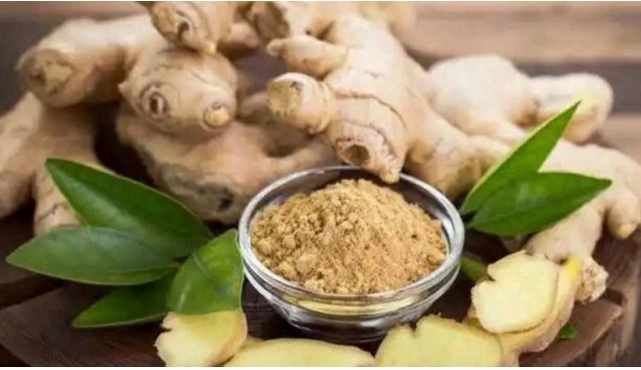
Medical Conditions That Can Be Worsened By The Intake Of Ginger
While ginger is generally considered safe for consumption and is known for its various health benefits, there are some medical conditions for which the intake of ginger may potentially worsen symptoms or interact with certain medications. (See symptoms) .
It’s important to note that individual reactions to ginger can vary, and consulting with a healthcare professional is advisable, especially if you have any specific concerns or pre-existing medical conditions.
Here are a few medical conditions for which ginger may have adverse effects:
Bleeding disorders: Ginger has been found to have blood-thinning properties, which can interfere with blood clotting. People with bleeding disorders, such as hemophilia or those taking anticoagulant medications, should exercise caution and consult their doctor before consuming large amounts of ginger.
Gallstone disease: Ginger stimulates the production of bile, which may exacerbate symptoms in individuals with gallstone disease or those who have had their gallbladder removed. It is best to consult a healthcare professional for personalized advice if you have a history of gallstones.
Diabetes: Ginger may lower blood sugar levels, potentially interacting with diabetes medications or insulin. Monitoring blood sugar levels closely and working with a healthcare provider to adjust medication dosages is important for individuals with diabetes who are considering incorporating ginger into their diet.
Gastrointestinal disorders: Ginger is often praised for its anti-nausea properties; however, for individuals with certain gastrointestinal disorders like acid reflux, gastric ulcers, or inflammatory bowel disease, ginger may trigger symptoms such as heartburn or stomach irritation. It is advisable to seek medical advice before using ginger in such cases.
Allergies: Although rare, some individuals may have an allergic reaction to ginger. If you have a known allergy to ginger or other related substances like turmeric or cardamom, it’s best to avoid ginger or use it with caution.
Surgery: Ginger’s blood-thinning effects can pose risks during surgery or procedures that involve bleeding. It is generally recommended to stop consuming ginger at least two weeks before scheduled surgery to minimize potential complications.
Remember that ginger is generally considered safe in moderate amounts for most individuals. However, it’s always prudent to consult a healthcare professional, especially if you have any underlying medical conditions or are taking medications that may interact with ginger.+See more details
They can provide personalized advice based on your specific health circumstances.
𝗙𝗼𝗹𝗹𝗼𝘄 𝗢𝘂𝗿 𝗪𝗵𝗮𝘁𝘀𝗔𝗽𝗽 𝗖𝗵𝗮𝗻𝗻𝗲𝗹 𝗧𝗼 𝗚𝗲𝘁 𝗟𝗮𝘁𝗲𝘀𝘁 𝗡𝗲𝘄𝘀 𝗔𝘀 𝗜𝘁'𝘀 𝗗𝗿𝗼𝗽!