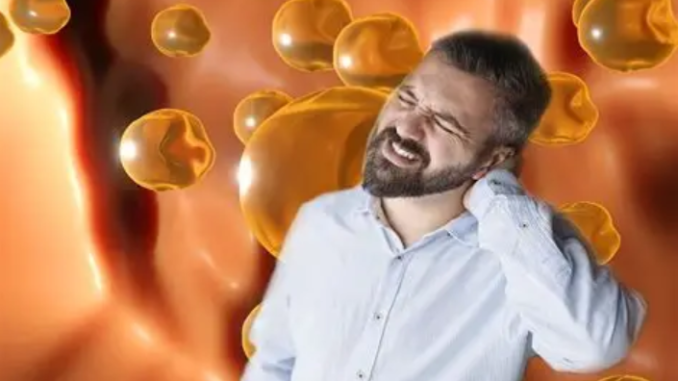
High cholesterol is often called a “silent threat” because it does not show symptoms in the early stages.
However, when left unmanaged, it can lead to severe health problems that affect the heart, blood vessels, and overall well-being.
Understanding these side effects can help you take action before complications arise.
One major side effect of high cholesterol is heart disease. Excess cholesterol builds up in the arteries, causing them to harden and narrow. This reduces blood flow and increases the risk of heart attacks.…Read More…>>>
Another serious effect is stroke. When cholesterol blocks the blood vessels that supply the brain, it can lead to a sudden loss of blood flow. This can cause permanent brain damage or even death.
High cholesterol can also trigger high blood pressure. Narrowed arteries force the heart to work harder to pump blood. Over time, this extra strain weakens the heart and raises the risk of heart failure.
A fourth side effect is peripheral artery disease (PAD). This condition occurs when plaque builds up in the arteries of the legs.
It causes pain, numbness, and difficulty walking. In severe cases, it may lead to tissue damage.
Another harmful impact is chest pain (angina). When the heart does not receive enough oxygen-rich blood due to blocked arteries, you may experience pressure or discomfort in the chest, especially during physical activity.
High cholesterol can also contribute to kidney problems. The kidneys rely on healthy blood vessels to function well.
When cholesterol blocks these vessels, the kidneys may gradually lose their ability to filter waste properly.
Lastly, high cholesterol increases the risk of gallstones. Excess cholesterol can form hard deposits in the gallbladder, causing pain, inflammation, and digestive issues. + See more details
Managing cholesterol through healthy eating, regular exercise, and medical guidance can significantly reduce these risks. Early action remains the best protection.
Get Breaking News Before Everyone Else — Join Our Whatsapp Channel Now!!!
𝗙𝗼𝗹𝗹𝗼𝘄 𝗢𝘂𝗿 𝗪𝗵𝗮𝘁𝘀𝗔𝗽𝗽 𝗖𝗵𝗮𝗻𝗻𝗲𝗹 𝗧𝗼 𝗚𝗲𝘁 𝗟𝗮𝘁𝗲𝘀𝘁 𝗡𝗲𝘄𝘀 𝗔𝘀 𝗜𝘁'𝘀 𝗗𝗿𝗼𝗽!