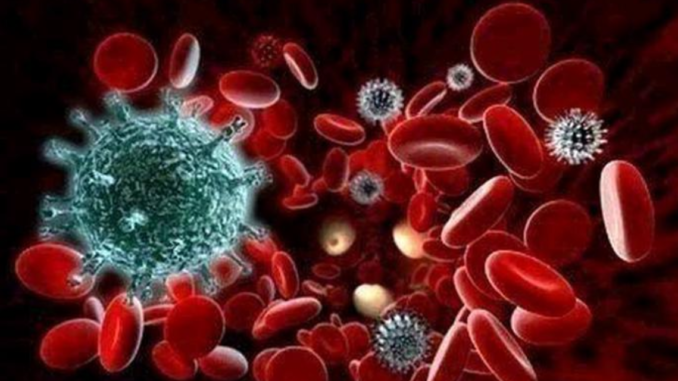
HIV affects the immune system, making it harder for the body to fight infections. Some of the first visible signs often appear on the mouth and skin.
Recognizing these early can help in seeking medical care quickly.+full details
One common sign is persistent mouth ulcers. These are small, painful sores that do not heal easily.
They may appear on the tongue, gums, or inside the cheeks. Unlike regular canker sores, HIV-related ulcers last longer and may appear repeatedly.
Another sign is oral thrush. This is a white, creamy coating on the tongue or inside the mouth caused by a fungal infection. People with HIV are more prone to thrush because of a weakened immune system. It can make eating and swallowing uncomfortable.
Herpes simplex virus outbreaks can also become frequent. These appear as blisters or cold sores on the lips or around the mouth. In people with HIV, the sores may be more severe or take longer to heal.
On the skin, rashes are a common early symptom. These can appear as red or purple spots, often accompanied by itching. Some rashes may be linked to other infections that HIV makes the body vulnerable to.
Another skin sign is seborrheic dermatitis, which causes red, scaly patches, usually on the scalp, face, or chest. It may be persistent and resistant to typical treatments.
Kaposi’s sarcoma is a more serious skin sign in advanced HIV. It shows as purple, brown, or reddish patches or lumps, usually on the legs, face, or inside the mouth.
Early recognition of these mouth and skin signs is crucial. If you notice any of these symptoms, it is important to see a healthcare professional for proper testing and care.
Taking care of your immune system and seeking treatment early can greatly improve health outcomes for people living with HIV.+See more details.
Get Breaking News Before Everyone Else — Join Our Whatsapp Channel Now!!!
𝗙𝗼𝗹𝗹𝗼𝘄 𝗢𝘂𝗿 𝗪𝗵𝗮𝘁𝘀𝗔𝗽𝗽 𝗖𝗵𝗮𝗻𝗻𝗲𝗹 𝗧𝗼 𝗚𝗲𝘁 𝗟𝗮𝘁𝗲𝘀𝘁 𝗡𝗲𝘄𝘀 𝗔𝘀 𝗜𝘁'𝘀 𝗗𝗿𝗼𝗽!