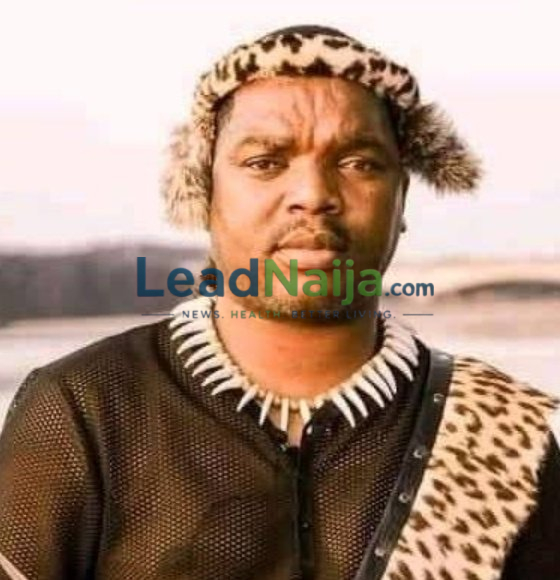
The Equality Court in Johannesburg has found controversial podcaster and Amabhinca President, Ngizwe Mchunu, guilty of hate speech, harassment and unfair discrimination against members of the LGBTQIA+ community.
The ruling follows a legal challenge over content published on Mchunu’s Facebook page between September and October 2025, where he allegedly used offensive and derogatory language directed at gay, lesbian and transgender individuals.
The decision is being viewed as a significant victory for human rights advocates and organisations campaigning against discrimination in South Africa.
Court Issues Restrictions and Penalties
Delivering judgment, Judge Gregory Wright granted a final interdict prohibiting Mchunu from making discriminatory social media posts or participating in demonstrations targeting LGBTQIA+ individuals.
The court further ordered him to issue an unconditional public apology within five days and complete 20 hours of human rights sensitisation training.
In addition, Mchunu was directed to pay R250,000 to either Transhope or the Hate Crime Working Group and cover the legal costs associated with the case.
Case Brought by Human Rights Organisations
The complaint was initiated by the Hate Crime Working Group and Transhope through the South African Human Rights Commission.
According to the court, Mchunu’s statements violated constitutional protections and amounted to hate speech and unfair discrimination against a protected group.
The ruling reinforces South Africa’s legal framework, which prohibits conduct that promotes hatred or undermines the dignity of individuals based on their identity.
Human Rights Advocates Welcome Decision
Education activist Hendrick Makaneta welcomed the judgment, describing it as an important affirmation of equality, dignity and human rights.
Supporters of the ruling argue that it sends a strong message against discrimination and highlights the responsibility that public figures carry when using social media platforms.
Why This Matters
South Africa has some of the most extensive constitutional protections for equality and human rights on the African continent.
The case highlights the ongoing debate over the balance between freedom of expression and protection against hate speech, particularly in the digital age where social media posts can quickly reach large audiences.
Legal experts say the judgment could serve as a reference point for future cases involving discriminatory online content.
What Happens Next?
Attention will now turn to whether Mchunu complies with the court’s orders, including the public apology and mandatory training programme.
The ruling may also influence future discussions around hate speech legislation, online conduct and the protection of vulnerable communities in South Africa.
Get Breaking News Before Everyone Else — Join Our Whatsapp Channel Now!!!
𝗙𝗼𝗹𝗹𝗼𝘄 𝗢𝘂𝗿 𝗪𝗵𝗮𝘁𝘀𝗔𝗽𝗽 𝗖𝗵𝗮𝗻𝗻𝗲𝗹 𝗧𝗼 𝗚𝗲𝘁 𝗟𝗮𝘁𝗲𝘀𝘁 𝗡𝗲𝘄𝘀 𝗔𝘀 𝗜𝘁'𝘀 𝗗𝗿𝗼𝗽!