Type 2 diabetes doesn’t just affect your blood sugar—it can quietly impact your feet, sometimes before you even notice it.
Because high blood sugar can damage nerves and blood vessels over time, your feet may show early warning signs that something is wrong. Being aware of these symptoms is crucial for preventing serious complications.
One common sign is numbness or tingling. If your feet feel constantly “pins and needles” or seem less sensitive than usual, it could be a sign of diabetic neuropathy, a nerve damage condition caused by.
prolonged high blood sugar. This makes it harder to feel pain or temperature changes, increasing the risk of injuries.
Another symptom is swelling or redness. Persistent swelling, warmth, or redness in your feet may indicate infections or poor circulation. Diabetes slows blood flow, making it harder for your body to fight infections or heal wounds.
You might also notice sores or slow-healing wounds. Cuts, blisters, or ulcers that take longer than usual to heal should never be ignored.
Even minor injuries can worsen quickly in diabetics and lead to serious infections if left untreated.
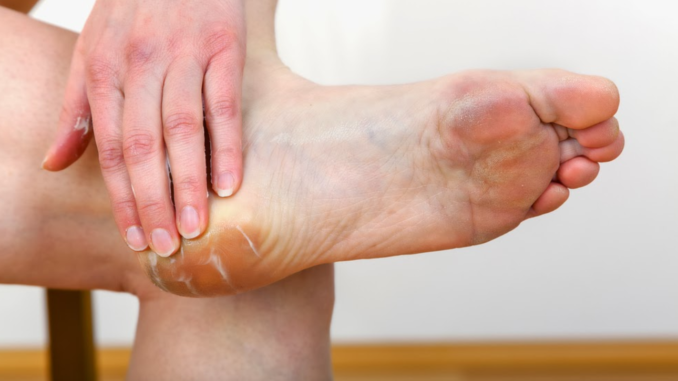
Finally, changes in skin or nails, like dryness, cracking, fungal infections, or thickened nails, can appear.
These changes are subtle but important signals that your feet are under stress from diabetes.+See more details
Regularly inspecting your feet, keeping them clean, and reporting unusual changes to a healthcare provider can prevent minor issues from becoming major complications.
Early attention truly saves both comfort and mobility.
Get Breaking News Before Everyone Else — Join Our Whatsapp Channel Now!!!
𝗙𝗼𝗹𝗹𝗼𝘄 𝗢𝘂𝗿 𝗪𝗵𝗮𝘁𝘀𝗔𝗽𝗽 𝗖𝗵𝗮𝗻𝗻𝗲𝗹 𝗧𝗼 𝗚𝗲𝘁 𝗟𝗮𝘁𝗲𝘀𝘁 𝗡𝗲𝘄𝘀 𝗔𝘀 𝗜𝘁'𝘀 𝗗𝗿𝗼𝗽!