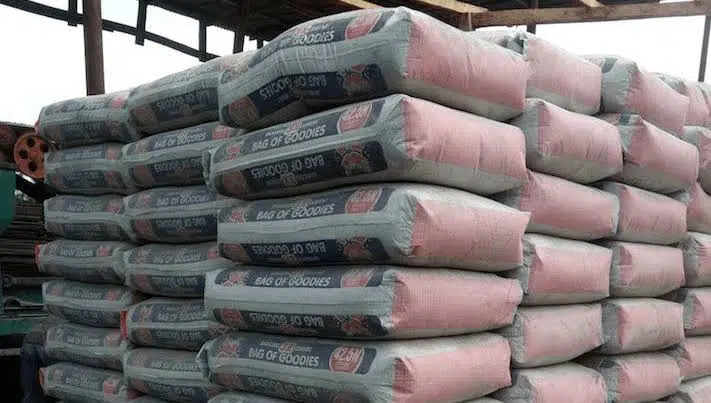
The price of cement in Nigeria has continued to surge, with consumers and builders feeling the impact of another recent increase.
Last week, a bag of cement was selling for ₦10,500, but this week the average price has risen to around ₦11,000 per bag.
Major cement brands, including Dangote Cement, BUA Cement, and Mangal Cement, are now widely reported to be selling at roughly ₦11,000 per 50kg bag across many Nigerian markets.
This latest price rise comes amid persistent economic pressures affecting the construction industry and other sectors that rely on cement as a critical material.
Several key factors have contributed to this sudden increase in cement prices:
1. Higher Production Costs
Cement manufacturing depends heavily on energy, especially fuel and electricity. When the cost of diesel, petrol, gas, or power increases, manufacturers face higher expenses in running their plants, which are typically passed on to buyers.
2. Exchange Rate Fluctuations
Nigeria imports some of the raw materials and machinery parts used in cement production. When the Nigerian Naira weakens against major foreign currencies, the cost of importing these items rises, pushing up the final price of cement.
3. Transportation and Logistics Costs
Cement must be transported from production plants to markets across Nigeria. Rising costs for truck fuel, spare parts, and logistics services add to the final retail price.
4. Growing Construction Demand
With ongoing infrastructure projects and private building activity increasing, demand for cement has remained high. When demand outpaces supply, prices tend to rise.
5. Supply Chain Disruptions
Delays at ports, limited availability of raw materials, or logistical bottlenecks can also restrict immediate supply and drive up prices temporarily.
The increase from ₦10,500 to ₦11,000 per bag might seem modest in isolation, but for builders, developers, and households engaged in construction, it translates into significantly higher overall project costs.Get The Full, Details.
When multiplied across dozens or hundreds of bags needed for a project, this can affect budgeting, timelines, and profit margins.
Get Breaking News Before Everyone Else — Join Our Whatsapp Channel Now!!!
𝗙𝗼𝗹𝗹𝗼𝘄 𝗢𝘂𝗿 𝗪𝗵𝗮𝘁𝘀𝗔𝗽𝗽 𝗖𝗵𝗮𝗻𝗻𝗲𝗹 𝗧𝗼 𝗚𝗲𝘁 𝗟𝗮𝘁𝗲𝘀𝘁 𝗡𝗲𝘄𝘀 𝗔𝘀 𝗜𝘁'𝘀 𝗗𝗿𝗼𝗽!