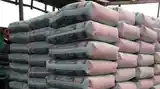
The price of cement in Nigeria has stabilised, with major brands, Dangote, BUA, and Mangal, now retailing uniformly at ₦10,500 per 50kg bag across many parts of the country.
This comes after months of fluctuating prices driven by supply chain disruptions and inflationary pressures.+Full Details. . .
Current Prices of Major Cement Brands:
Dangote – 10,500
BUA – 10,500
Mangal – 10,500
While prices are now consistent among top brands, analysts warn that the cement market remains sensitive to changes in fuel prices, foreign exchange rates, and raw material costs.
Cost of Production Inputs
The price of key raw materials like limestone, gypsum, and energy (especially coal and gas) continues to impact cement production costs. Producers have had to adjust prices in response to inflation and logistics expenses.
Energy & Transportation Costs
With diesel and fuel prices remaining high, transportation of cement from factories to distribution points adds significantly to the final retail cost. Any increase in fuel directly affects delivery pricing.
Foreign Exchange Challenges
Although cement is locally produced, certain components and machinery parts are imported. A volatile naira makes it more expensive to maintain equipment and source inputs, contributing to the final retail price.
Market Regulation & Competition
Despite calls for price control, the cement industry operates largely under deregulated pricing. However, competition among the major players, Dangote, BUA, and Mangal, has helped prevent sharp spikes.
Government Infrastructure Projects
Ongoing public construction projects increase demand for cement, occasionally tightening supply and pushing prices upward.+See More Details. .
A slowdown in such projects could ease pressure on retail prices.
Get Breaking News Before Everyone Else — Join Our Whatsapp Channel Now!!!
𝗙𝗼𝗹𝗹𝗼𝘄 𝗢𝘂𝗿 𝗪𝗵𝗮𝘁𝘀𝗔𝗽𝗽 𝗖𝗵𝗮𝗻𝗻𝗲𝗹 𝗧𝗼 𝗚𝗲𝘁 𝗟𝗮𝘁𝗲𝘀𝘁 𝗡𝗲𝘄𝘀 𝗔𝘀 𝗜𝘁'𝘀 𝗗𝗿𝗼𝗽!