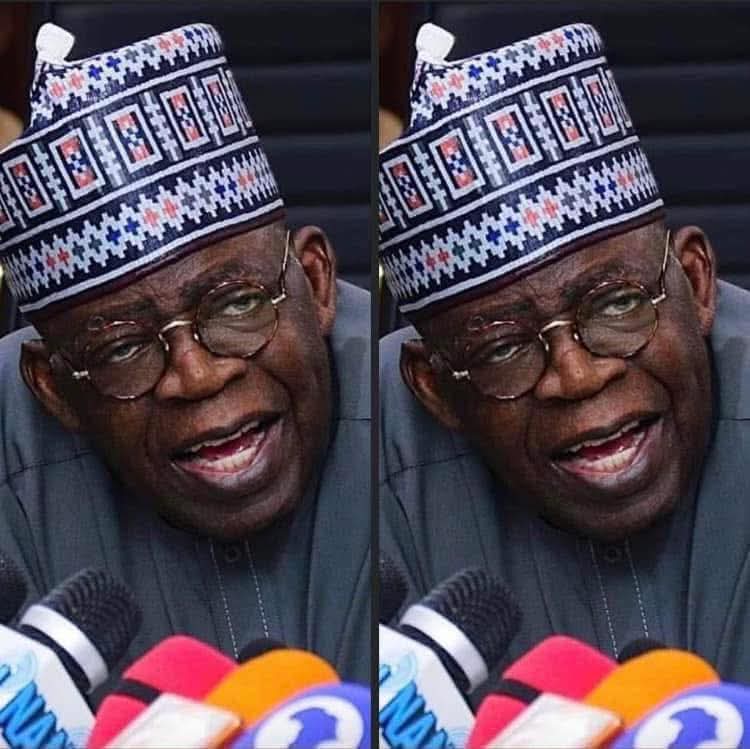
President Bola Ahmed Tinubu has signed the Electricity Bill into law, marking a major policy shift in Nigeria’s power sector by removing electricity from the Exclusive Legislative List and transferring significant regulatory and operational powers to the states.
With the new law, state governments now have the constitutional authority to independently generate, transmit and distribute electricity within their territories, without relying solely on the federal government.
Under the legislation, states are empowered to:
- Establish state electricity markets and regulatory agencies
- License private investors and power producers without federal approval
- Develop electricity infrastructure tailored to local needs
The move is widely seen as a critical step toward decentralisation of the power sector, aimed at improving electricity supply, attracting private investment and accelerating industrial and economic growth, particularly in states with the capacity and political will to act.
Energy sector analysts say the law could significantly reduce power shortages if state governments leverage the new powers to pursue innovative and competitive electricity solutions.
While the signing of the bill represents a bold reform by the Tinubu administration, observers note that its success will largely depend on how quickly and effectively state governors translate the new authority into tangible improvements in power supply.
The development signals a turning point in Nigeria’s long-standing electricity challenges, shifting focus from federal control to state-led solutions.
LeadNaija News will monitor how states respond to the new electricity law and its impact on power delivery nationwide
Get Breaking News Before Everyone Else — Join Our Whatsapp Channel Now!!!
𝗙𝗼𝗹𝗹𝗼𝘄 𝗢𝘂𝗿 𝗪𝗵𝗮𝘁𝘀𝗔𝗽𝗽 𝗖𝗵𝗮𝗻𝗻𝗲𝗹 𝗧𝗼 𝗚𝗲𝘁 𝗟𝗮𝘁𝗲𝘀𝘁 𝗡𝗲𝘄𝘀 𝗔𝘀 𝗜𝘁'𝘀 𝗗𝗿𝗼𝗽!