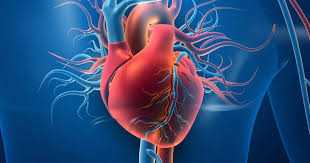
Heart diseases impact how blood pumps and circulates within the body. When a healthcare provider says that you have heart disease, they may be referencing one of several conditions that can commonly impact the heart or blood vessels.
There are many different types of heart disease, covered in detail below.
Eternity in an Instant / Getty Images
Heart Failure
Heart failure occurs when the heart can no longer pump effectively to meet the needs of the body.
The heart plays an important role in supplying blood and oxygen to the rest of the body. The most important job of the heart is ensuring blood gets to other organs in the body.
When the heart starts to fail, blood flow to other organs—like the kidneys, lungs, and brain—can slow down. In many ways, heart failure impacts the entire body and not just the heart.
There are several different types of heart failure, so if you’re having difficulty making sense of all of them, it is completely natural.
Talking with a healthcare provider may help you get a better understanding of what is happening.
Symptoms
The most common symptoms of heart failure include:
- Fatigue
- Swelling in the feet or legs
- Weight gain
- Shortness of breath
- Causes and Risk Factors
Left-sided heart failure can result from chronic conditions that affect the heart muscles.
These include coronary heart disease, a heart attack, heart valve disease, irregular heartbeat, and heart disease present at birth.Get The Full, Articles. .
𝗙𝗼𝗹𝗹𝗼𝘄 𝗢𝘂𝗿 𝗪𝗵𝗮𝘁𝘀𝗔𝗽𝗽 𝗖𝗵𝗮𝗻𝗻𝗲𝗹 𝗧𝗼 𝗚𝗲𝘁 𝗟𝗮𝘁𝗲𝘀𝘁 𝗡𝗲𝘄𝘀 𝗔𝘀 𝗜𝘁'𝘀 𝗗𝗿𝗼𝗽!