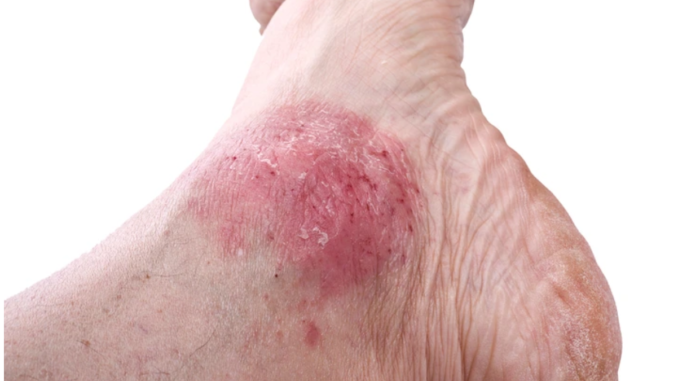
Our feet are one of the most overlooked parts of the body. They are the farthest from our line of sight and we walk all over them
They also can, and do, act as an excellent early warning sign for many health conditions – if we know what to look for and what those symptoms might signify.+See more details
Here are signs that our feet can indicate a sign of an illness.
1 Swelling
Swollen feet and ankles on occasion may not be an issue, especially if you have been standing on your feet all day; but if the problem persists with no known cause it might indicate a more serious problem…Read More…>>>
Swollen feet during pregnancy might indicate preeclampsia, a serious condition in which high blood pressure and blood protein accumulation occur around the 20th week.
Lymphedema or problems with the return of fluid and lymph, may indicate venous insufficiency.
Swelling in the feet and ankles might also indicate a blood clot, or deep vein thrombosis , which could be life threatening if it travels to the heart, brain or lungs.
If swollen feet and ankles continue with no immediate cause, check with a physician to evaluate for serious conditions.
2. Numbness
Numbness in the feet, or neuropathy is a common sign of type 2 diabetes. It can also be a symptom of peripheral artery disease (PAD), where blood flow to the legs is reduced. Both of these conditions result from compromised blood flow to the feet and should never be ignored.
Purine, a compound found in rich foods such as red meat and wine, produces an increase in uric acid in the body. Uric acid is passed out of the body through urination.
However, when we overdo it, the body sometimes cannot keep up and the uric acid gets deposited in joints . usually in the big toe and ankle.
Joints swollen due to gout are red, hot and painful, and can severely limit the ability to walk.
3. Cramping
Foot and lower leg cramping may be a symptom of dehydration or it might indicate an imbalance of calcium, sodium, potassium or magnesium all necessary for proper contraction and relaxation of muscles in the diet.
If hydration is not the problem, review your diet to be sure you are getting enough of these compounds from dark green vegetables and colorful fruits.
4. Dry Cracked Heels
Often dry, cracked heels are simply the sign of winter wardrobe (think snow boots), but dry flaky skin that does not get better with the use of lotion could be a symptom of thyroid problems.
If you are also experiencing weight gain, vision problems and numbness in hands and feet, visit your doctor to check your thyroid.
5. Black Spots Or Lines.
Toenail discoloration may simply be a sign of a fungal infection (which should also be treated) or bruising if you stub a toe.
But if you have unexplained dark lines or spots it could also be a sign of melanoma, a cancer affecting the skin.
Any unexplained dark spots under the nails should be evaluated by a doctor.
Wearing shoes that fit well and offer proper support, keeping skin moisturized and the nails groomed and trimmed goes a long way to keeping our feet healthy.
Our feet serve us well with every step we take and often act as our early warning system when there are serious health conditions looming.
Knowing what signs and symptoms to be on the lookout for allows us to catch the early warning sings before these conditions worsen.+See more details
Get Breaking News Before Everyone Else — Join Our Whatsapp Channel Now!!!
𝗙𝗼𝗹𝗹𝗼𝘄 𝗢𝘂𝗿 𝗪𝗵𝗮𝘁𝘀𝗔𝗽𝗽 𝗖𝗵𝗮𝗻𝗻𝗲𝗹 𝗧𝗼 𝗚𝗲𝘁 𝗟𝗮𝘁𝗲𝘀𝘁 𝗡𝗲𝘄𝘀 𝗔𝘀 𝗜𝘁'𝘀 𝗗𝗿𝗼𝗽!