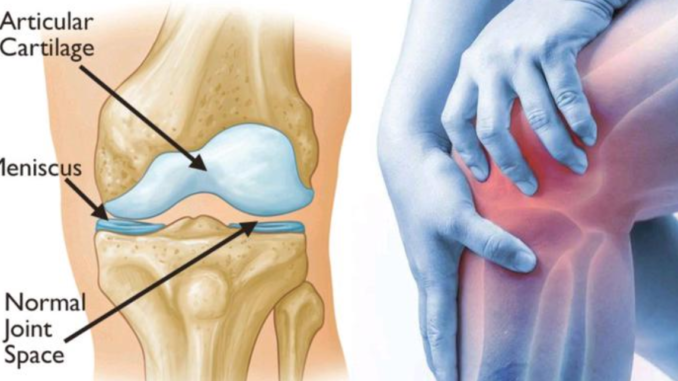
As arthritis continues to affect millions of people worldwide, many individuals are searching for affordable alternatives to expensive treatments.
Arthritis, also known as degenerative joint disease (DJD), is a condition characterized by joint pain, stiffness, swelling, and reduced mobility.
Symptoms often worsen with age and can significantly interfere with daily activities, especially for those with limited financial resources.
Understanding ArthritisTurmeric and InflammationHeat Therapy with Paraffin WaxProbiotic-Rich FoodsFish Oil and Omega-3 Fatty AcidsReducing Sugar IntakeA Balanced Approach
Medical professionals emphasize that while conventional treatments such as anti-inflammatory medications and physical therapy remain important, certain lifestyle adjustments and natural remedies may help manage symptoms when used responsibly.
Understanding Arthritis
Arthritis involves inflammation of one or more joints. Doctors may use physical examinations, imaging tests, and sometimes joint fluid analysis to confirm a diagnosis. Common signs include redness, swelling, warmth around the joints, and persistent pain.
Health experts caution that arthritis is a chronic condition and may require long-term management. However, complementary natural approaches can support symptom relief.
Turmeric and Inflammation
Turmeric, a widely used spice, has gained attention for its anti-inflammatory properties. Its active compound, curcumin, is believed to help reduce inflammation in the body. Some studies suggest turmeric may ease joint pain when incorporated into meals or taken as supplements.
However, medical professionals advise consulting a healthcare provider before starting supplements, particularly for individuals taking other medications.
Heat Therapy with Paraffin Wax
Paraffin wax therapy is commonly used in physiotherapy settings to relieve joint stiffness. The wax, which has a low melting point, is gently warmed and applied to the hands or feet. As it cools, it retains heat around the joints, improving circulation and helping to ease stiffness and discomfort. Experts note that heat therapy may provide temporary relief, but caution must be taken to avoid burns.
Probiotic-Rich Foods
Emerging research suggests that gut health plays a role in inflammation. Fermented foods such as yogurt, kefir, and certain whole grains may support beneficial gut bacteria. Diets rich in probiotics have been associated with reduced inflammation in some inflammatory conditions, though more research is ongoing in arthritis-specific cases.
Fish Oil and Omega-3 Fatty Acids
Omega-3 fatty acids, commonly found in cold-water fish such as salmon, are known for their anti-inflammatory effects. Fish oil supplements have been studied for their potential to reduce joint tenderness and morning stiffness. According to health resources such as Livestrong and physiotherapy research publications, omega-3 supplementation may benefit some arthritis patients when used appropriately.
Reducing Sugar Intake
Excessive sugar consumption has been linked to increased inflammation. Experts recommend limiting processed sugars found in soft drinks, baked goods, and highly processed foods. Instead, a balanced diet rich in fruits, vegetables, and whole foods may help support overall joint health.
A Balanced Approach
Healthcare professionals stress that while natural remedies can complement medical treatment, they should not replace prescribed therapies without medical supervision. Individuals experiencing severe joint pain, swelling, or reduced mobility should seek professional medical advice for proper diagnosis and treatment planning.
Arthritis management often requires a combination of medical care, healthy lifestyle choices, and supportive therapies tailored to individual needs.
Get Breaking News Before Everyone Else — Join Our Whatsapp Channel Now!!!
𝗙𝗼𝗹𝗹𝗼𝘄 𝗢𝘂𝗿 𝗪𝗵𝗮𝘁𝘀𝗔𝗽𝗽 𝗖𝗵𝗮𝗻𝗻𝗲𝗹 𝗧𝗼 𝗚𝗲𝘁 𝗟𝗮𝘁𝗲𝘀𝘁 𝗡𝗲𝘄𝘀 𝗔𝘀 𝗜𝘁'𝘀 𝗗𝗿𝗼𝗽!