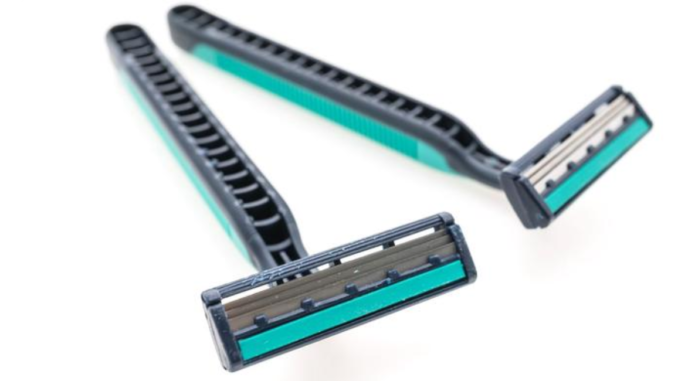
Many Kenyans shave their private areas for hygiene, comfort, or beauty. But medical experts warn that completely removing pubic hair can create serious health risks.
“Pubic hair is not a mistake of nature. It protects sensitive skin from friction, bacteria, and irritation,” say dermatologists.+Load more
In Kenya’s hot and humid climate, long hours of commuting, work, and tight clothing already stress the skin. Shaving adds even more risk.
Tiny, invisible cuts from shaving make it easier for bacteria, fungi, and viruses to enter the body.
The American Academy of Dermatology warned in 2020, “Removing pubic hair can spread molluscum contagiosum, a viral skin infection, and increase the risk of folliculitis and other skin infections.”
DermNet, a trusted international skin resource, explains that “Folliculitis occurs more commonly after shaving because hair follicles become damaged and infected.”
Shaving weakens the skin’s natural barrier, causing bumps, itching, and pus.
Even when a razor feels smooth, it can cause tiny cuts that swell or become inflamed.
A 2017 study published by the US National Library of Medicine found thousands of people seek emergency care each year for grooming-related genital injuries.
“The majority of injuries were caused by razors during hair removal,” the study says.
(Photo courtesy)
Shaving does not directly cause sexually transmitted infections, but broken skin makes it easier for infections to spread.
A 2016 study in the journal Sexually Transmitted Infections found that “Ever having groomed was positively associated with a history of self-reported sexually transmitted infections.”
Hair reduces friction between skin and clothing. Without it, irritation is more likely, especially in tight jeans or underwear.
The Mayo Clinic advises, “Hair helps protect the skin from friction and irritation.” In Kenya’s hot climate, this protection is particularly important.
Repeated shaving can cause ingrown hairs, dark marks, scars, and thickened skin.
Mary Jane Minkin, professor of obstetrics and gynecology at Yale University, told Healthline in 2020, “Shaving the pubic area can cause micro abrasions that allow bacteria to enter and can lead to chronic irritation and infection.”+Load full details
𝗙𝗼𝗹𝗹𝗼𝘄 𝗢𝘂𝗿 𝗪𝗵𝗮𝘁𝘀𝗔𝗽𝗽 𝗖𝗵𝗮𝗻𝗻𝗲𝗹 𝗧𝗼 𝗚𝗲𝘁 𝗟𝗮𝘁𝗲𝘀𝘁 𝗡𝗲𝘄𝘀 𝗔𝘀 𝗜𝘁'𝘀 𝗗𝗿𝗼𝗽!