
 Leadnaija
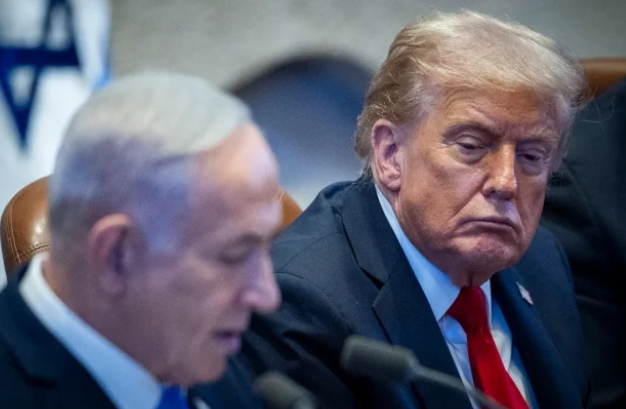
The likelihood of an immediate expansion of the military confrontation with Iran has decreased following President Donald Trump’s decision to pursue a new package of economic sanctions against Tehran, according to Israeli security officials.
The officials said the latest US approach is aimed at applying economic pressure on Iran while creating more time before any potential return to large-scale military action. Their assessment was reported amid ongoing discussions between Israeli and US officials over the situation.
According to the report, Trump’s sanctions strategy is viewed by some officials as an attempt to “buy time” ahead of the US midterm elections, rather than immediately escalate the military confrontation.
Despite the reduced near-term risk of escalation, Israeli defence authorities are continuing to prepare for a possible resumption of attacks.
IDF Maintains Preparations for Possible New Strikes
The Israel Defense Forces is expected to maintain a high level of readiness across several areas, including intelligence gathering, weapons procurement, interceptor production, target development and Air Force preparedness.
The preparations are intended to ensure that Israel can respond quickly if the military confrontation with Iran resumes.
Israeli security officials have also raised questions about whether Washington will be able to exert sufficient pressure on countries and companies that continue supporting Iran through oil sales, financial transactions, raw materials and other forms of economic activity.
The officials reportedly argued that strong enforcement of the sanctions would be necessary if the US wants the economic pressure campaign to achieve its objectives.
Israel Reviews Military Procurement
The Israeli defence establishment is also concerned about the resources required to sustain high-intensity military operations.
Discussions involving the IDF, Defence
Ministry and Finance Ministry are expected to continue as officials consider additional funding for ammunition, fighter aircraft and other advanced weapons systems.
The report said Israeli officials believe government intervention and a faster legislative process may be necessary to accelerate military procurement.
Netanyahu Remains Responsible for Any Military Decision
Despite the current reduction in the perceived likelihood of immediate escalation, Israeli officials stressed that the possibility of renewed fighting has not been eliminated.
Any major decision concerning Israeli military action against Iran ultimately rests with Prime Minister Benjamin Netanyahu and his government.
Meanwhile, Iran’s Islamic Revolutionary Guard Corps has warned that any renewed conflict could involve more destructive weapons.
An IRGC spokesperson reportedly said that if fighting resumes, Iran’s military response would be different from previous confrontations and involve more destructive warheads.
The latest developments therefore point to a temporary reduction in the immediate risk of escalation rather than an end to the wider confrontation.
The situation remains fluid, particularly around the Strait of Hormuz, US sanctions and the possibility of renewed military action. Recent reporting has also highlighted continued uncertainty over the future of US-Iran relations and the strategic importance of the waterway
⇒Be The First To Read The Hot News;
Tap The Whatsapp Banner To Join Our ⇓Whatsapp Channel