
 Leadnaija
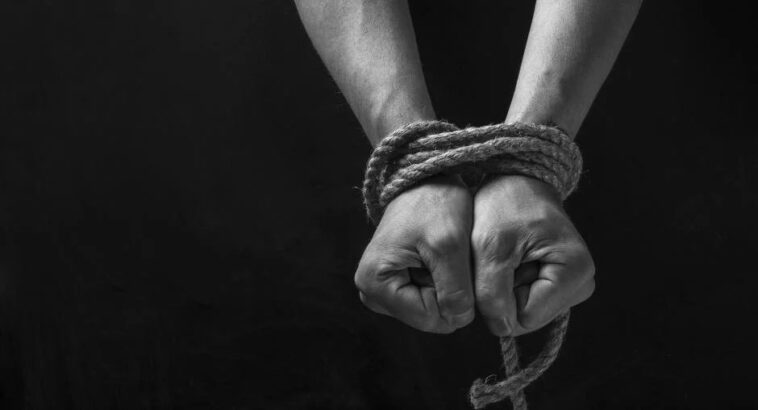
Kidnapping in Nigeria has reached the uncomfortable stage where it no longer looks like scattered criminal activity but an economy with customers, revenue and an alarming supply chain of human beings.
A new SBM Intelligence report says 7,825 people were abducted in 1,713 kidnapping and related incidents between July 2025 and June 2026, while at least 1,142 people were killed.
During the same period, families paid at least ₦7.78 billion in ransom, although the true figure could be higher because many payments are never disclosed.
And here is the particularly disturbing part. Kidnappers actually demanded less money than in the previous year, with demands falling from about ₦48 billion to ₦22.9 billion, yet the amount victims’ families actually paid more than tripled from ₦2.56 billion to ₦7.78 billion.
In other words, the demands became smaller while the collection became far more successful, pushing the ransom collection rate from just 5.35 percent to 34 percent.
The money was also heavily concentrated. SBM says the Jama’atu Ahlis Sunna Lidda’awati Wal-Jihad faction of Boko Haram accounted for about 90 percent of recorded ransom payments, collecting roughly ₦7 billion from only eight incidents.
Two mass abductions alone accounted for most of that figure, including ₦5 billion reportedly paid for 416 people abducted in Ngoshe, Borno State, and ₦2 billion for 315 pupils and staff taken from St Mary’s School in Papiri, Niger State.
So while the country debates security operations, another calculation is happening quietly in the background. A kidnapping succeeds, money changes hands, criminal groups gain resources and the machinery that made the next kidnapping possible becomes a little stronger.
The report says mass abduction has increasingly become the preferred method, with Zamfara recording 92 mass abductions and Sokoto 76 during the period, while the return of school kidnappings has consequences far beyond the victims because it affects education, agriculture and public confidence.
Even ransom payment offers no guarantee of survival, as SBM documented at least six cases in which hostages were killed after money had been paid.
Security experts therefore argue that Nigeria cannot simply treat ransom as the price families must pay to bring loved ones home.
Former FCT Commissioner of Police Lawrence Alobi warned that the money strengthens criminal networks by helping them acquire weapons, while security expert Jackson Ojo described the situation as evidence of a deepening security failure and raised concerns over the growing sophistication of armed groups and the deaths of military personnel fighting them.
Yet there is an uncomfortable human reality behind every argument against ransom payments. Families are being asked to make a strategic decision in the middle of terror, often with someone’s life hanging in the balance, and telling them not to pay is much easier from a safe distance than when a loved one is the hostage.
SBM says Nigeria needs a coordinated strategy that attacks both the profitability of kidnapping and the economic conditions that help armed groups recruit, because until the money stops making kidnapping attractive, the country risks having created something far more dangerous than a crime wave.
It risks turning human captivity into a business model, and business models, unfortunately, tend to survive when there is still money to be made.
⇒Be The First To Read The Hot News;
Tap The Whatsapp Banner To Join Our ⇓Whatsapp Channel